
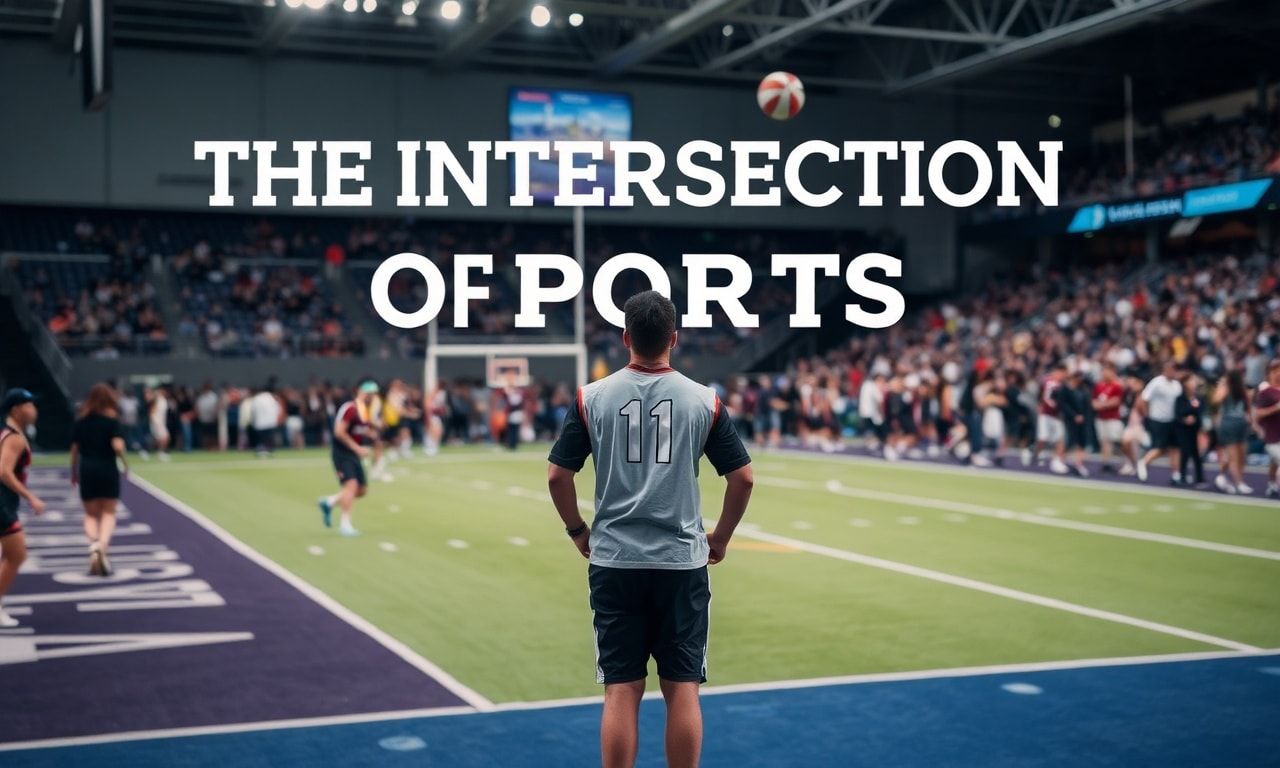
The Power of Sports in Building Communities
Sports have always been more than just games; they are a unifying force that brings people together, fostering a sense of community and shared purpose. Whether it’s a local football match, a marathon, or an international tournament, sports events create a platform where individuals from diverse backgrounds can come together, celebrate, and support a common cause. This article delves into the multifaceted ways in which sports contribute to community building, highlighting the social, cultural, and economic impacts.
The Social Impact of Sports Events
Sports events have a profound social impact, serving as a catalyst for social interaction and community engagement. They provide an opportunity for people to connect, share experiences, and build relationships. For instance, local sports events often become a hub for community activities, attracting families, friends, and neighbors who come together to cheer for their favorite teams. This collective experience fosters a sense of belonging and camaraderie, strengthening the social fabric of the community.
Moreover, sports events often address social issues and promote inclusivity. Many organizations and communities use sports as a tool to advocate for social causes, such as gender equality, racial harmony, and disability inclusion. By participating in and supporting these events, individuals contribute to a more inclusive and equitable society. For example, the Şişli kültür etkinlikleri program in Istanbul is a testament to how cultural and sports events can bring together people from different walks of life, promoting cultural exchange and understanding.
The Cultural Significance of Sports
Sports events also play a significant role in preserving and promoting cultural heritage. They often incorporate traditional elements, such as music, dance, and rituals, which reflect the unique cultural identity of a community. This cultural exchange enriches the sports experience, making it more meaningful and engaging for participants and spectators alike.
For instance, the Olympics, one of the most prestigious sports events globally, showcases the cultural diversity of participating nations through opening and closing ceremonies that highlight their unique traditions and customs. Similarly, local sports events often feature cultural performances, such as traditional music and dance, which add a layer of cultural richness to the sporting experience.
The Economic Benefits of Sports Events
Sports events also contribute significantly to the local economy. They attract tourists, create jobs, and stimulate business activities, thereby boosting economic growth. Hosting a major sports event can lead to increased tourism, as visitors flock to the host city to witness the event and explore the local attractions. This influx of tourists generates revenue for local businesses, including hotels, restaurants, and retail stores.
Furthermore, sports events create employment opportunities, both directly and indirectly. Direct employment includes jobs related to event management, security, and hospitality, while indirect employment encompasses roles in infrastructure development, marketing, and media coverage. The economic benefits of sports events extend beyond the event itself, as the improved infrastructure and increased visibility can attract future investments and tourism.
The Role of Sports in Promoting Health and Well-being
Sports events also play a crucial role in promoting health and well-being. They encourage physical activity, which is essential for maintaining good health. Participating in or attending sports events can motivate individuals to adopt a more active lifestyle, leading to improved physical fitness and mental well-being.
Moreover, sports events often include health-related initiatives, such as fitness workshops, health screenings, and nutrition seminars. These initiatives raise awareness about the importance of a healthy lifestyle and provide participants with the tools and knowledge to make positive changes in their lives. By promoting health and well-being, sports events contribute to the overall quality of life in the community.
Conclusion
In conclusion, sports events are a powerful tool for building communities, promoting cultural exchange, boosting the local economy, and enhancing health and well-being. They bring people together, fostering a sense of belonging and shared purpose. By participating in and supporting sports events, individuals contribute to a more inclusive, equitable, and vibrant community. Whether it’s a local football match or an international tournament, sports events have the power to transform lives and communities, making them an integral part of our social fabric.
Stay ahead of the curve in the world of sports with our comprehensive look at 2023’s hottest athletic trends, covering everything from fitness innovations to team dynamics.
While you’re honing your skills on the field, don’t forget to train your mind off it; check out financial fitness essentials to score big in life.
As athletes and fitness enthusiasts adapt to new routines, explore how remote work is reshaping careers and what it means for your training and team dynamics.


