
Publish a Death Notice in the USA: practical guide for readers
A clear, practical guide for sports readers on publishing a death notice in the USA, with steps, options, pitfalls and tips for sports communities.

This guide helps sports readers understand how to publish a death notice in the USA, with practical steps and realistic choices. It explains why notices appear in team and community pages, and how to approach publishers responsibly. You’ll learn concrete actions you can take when a team member or supporter passes away, without getting lost in jargon.
The process varies by state and outlet, so the focus here is on clear, usable steps. We cover timing, formatting, and what information to include for accuracy and respect. Expect practical checklists you can adapt to a local paper or league communications channel.
By the end you’ll know how to choose the right outlet, draft a notice that fits your community, and avoid common mistakes that slow or derail posting. This is a straightforward, operational guide meant to support teams, clubs, and fans when they need to share sad news responsibly.
- This guide explains how to publish a death notice in the USA with practical steps and ethical considerations for sports communities.
- Start with the club or league outlet, confirm consent, and keep formatting simple and respectful.
- Draft a concise notice with essential facts, service details, and a clear path for condolences or responses.
- Choose the right outlet, coordinate timing with family and events, and use a consistent posting approach across channels.
Basics and purpose
What counts as a death notice
A death notice is a brief public announcement of a person’s death, often including service details and surviving family. In sports communities, it can help teammates and fans share condolences and preserve memory. Clarity and respect matter, so keep the notice focused on essential facts and meaningful details. L1: publish a death notice in the USA is a phrase used to indicate how a notice should be shared with readers.
- Identify the outlet
- Provide essential facts only
- Get approval from family
- Publish with contact for responses
A notice should be straightforward and free of sensitive speculation. If you’re unsure about a detail, ask a family member or club administrator before publishing.
- Verify full name and date
- Include service and location
- State any charitable wishes
- Confirm contact for replies
- Respect privacy when needed
Where to publish widely
Start with the official channel preferred by the club or league, such as the team site or local newspaper’s obituary page. If a public memorial is planned, coordinate timing with organizers to avoid conflicting announcements. A consistent post helps fans and teammates respond appropriately.
Consider additional venues like league newsletters or social media groups where the community gathers. Each outlet has different formatting and timing expectations, so tailor the notice accordingly.
End with a note about future updates if plans change, keeping everyone informed without duplicating content.
Legal and ethical basics
Consent and privacy
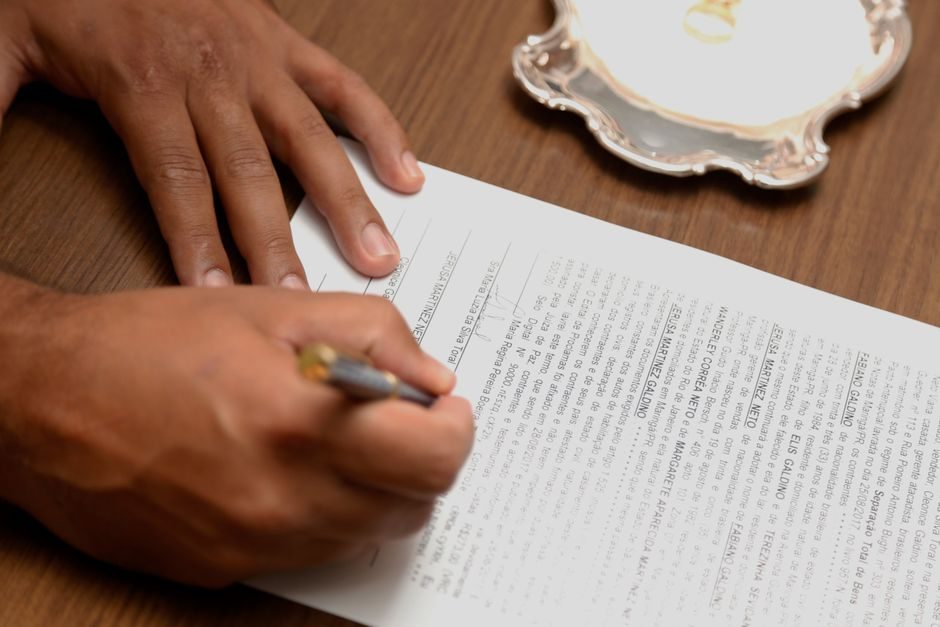
Publishers typically require consent from a closest family member or designated representative. This protects the family from miscommunication and keeps the notice respectful. When in doubt, ask for written confirmation before proceeding. L2: SMS Onay US USA news is a term you may encounter when coordinating with specific outlets.
Be mindful of minors, if any, and avoid sharing unnecessary personal information. Respect requests for privacy or memorial preferences expressed by the family or club.
If a correction is needed later, address it promptly and clearly to avoid confusion among readers.
- Obtain written consent
- Limit personal data
- Honor memorial preferences
- Provide a clear correction path
- Respect privacy requests
Accuracy and tone
Write with neutral, respectful language that reflects the tone of the community. Avoid sensational phrasing and focus on where and when the service will be held and how to contact mourners if appropriate.
Check spellings of names and places twice, as errors draw attention away from the message. A precise notice reduces follow-up inquiries and confusion.
If multimedia elements are offered, use captions that explain their relevance to the memorial.
- Use neutral tone
- Verify spellings twice
- Provide clear service details
- Use accurate captions
- Limit multimedia unless approved
Practical writing tips
Draft structure
Begin with the deceased’s name and date of passing, then add service details and any charitable wishes. Use a single, clear paragraph before any additional notes. This structure helps readers quickly grasp the essentials. L3: advertise your event in the USA becomes relevant when memorial services are announced through public channels.
Follow with a brief context about their role in the community or team, keeping to a line or two. This helps readers connect the notice to the sports world without diluting the main facts.
Close with how readers can respond or share memories in a respectful way, if the outlet allows comments or messages.
- Lead with name and date
- Add service details
- Include memorial wishes
- Offer a response method
- Keep it concise
| Outlet type | Reach | Costs |
|---|---|---|
| Club site | Direct team audience | Low to moderate |
| Local newspaper | Broader community | Moderate to high |
| League publication | Regional readers | Variable |
Choosing the right outlet
If a club site has a bulletin board or memorial page, start there for close-knit communities. For broader reach, a local newspaper or league publication can distribute the notice to more readers who will care about the team.
Some sports outlets accept guest notices, while others require a paid ad. Evaluate cost, reach, and the response you want before deciding where to publish.
In all cases, ensure the outlet’s format supports the notice’s length and the desired media, such as photos or links.
- Assess reach and audience
- Consider cost vs impact
- Check format and media support
- Coordinate timing with events
- Respect outlet rules
If in doubt, leave sensitive details out and offer a simple invitation to contact the family through the outlet’s official channel.
Common mistakes and how to avoid them

Over-sharing
A death notice should be concise and factual. Avoid including intimate details or conjecture that could unsettle readers or invade family privacy. The goal is clarity and respect, not drama. L4: promote your business in the USA is sometimes part of sponsorship or community notices, depending on policy.
If in doubt, leave sensitive details out and offer a simple invitation to contact the family through the outlet’s official channel.
Review the notice aloud to catch tone and awkward phrasing before publishing.
- Avoid private details
- Maintain a respectful tone
- Provide a clear contact channel
Timing pitfalls
Publishing too early or too late can minimize impact. Coordinate with family wishes and event schedules to ensure the notice lands when it will be most meaningful to the team and fans.
If the service date changes, update the notice promptly and communicate any new details to avoid confusion.
Maintain a consistent cadence across channels so readers are not overwhelmed with multiple posts.
- Avoid mismatched timing
- Update when plans change
- Keep channel cadence steady
Planning and coordination
Designating a point person
Assign a single coordinator to handle inquiries, timelines, and approvals. This keeps messaging consistent and reduces delays when families, teams, and venues coordinate. Prepare a brief contact sheet and share it with all stakeholders so there is one source of truth. advertise a job vacancy in the USA is a different kind of notice, but the same planning discipline helps ensure timely, clear communication across platforms.
- appoint a single coordinator
- set clear deadlines
- maintain a shared calendar
- Appoint a lead who is available during business hours
- Maintain a shared calendar for deadlines and events
- Provide a single email and phone line for notices
A practical approach to planning begins with a realistic timeline. Map out every step from drafting the notice to final publication, including approvals and post-publication updates. Use concrete milestones to avoid last‑minute scrambling, and build in buffer time for unexpected changes.
Communication and timing

Choosing the right channels
Identify the most effective channels for the audience—team update boards, family-approved social posts, and local outlets. Prioritize official channels to avoid mixed messages. A clear, consistent message reduces confusion during a sensitive period.
- Use official channels first
- Coordinate with PR or communications staff
- Limit nonessential posts during the notice period
Scheduling the announcement
Set a publication window that respects grieving timelines while meeting deadlines for publication. Coordinate with editors to align the notice with any memorial service dates. Always confirm time zones and contact details to prevent delays.
Publishing formats
Print and digital options
Evaluate whether to publish in a local print edition, a digital tribute page, or both. Each format has different requirements for length, photo usage, and permissions. Tailor the content to the platform while preserving respectful tone and accuracy.
- Confirm platform requirements
- Get photo approvals
- Verify spelling of names
- Set publication deadlines
- Follow local publication guidelines
- Ensure high‑resolution photo approval
- Double-check names and dates for accuracy
A practical guide to formats includes standard sections like a brief tribute, service details, and contact information. Use a calm voice and avoid sensational language. If space is limited, prioritize essential facts and a respectful tone over flourish.
Review and updates

Proofing and approvals
Have a designated reviewer check the notice for consistency, factual accuracy, and respectful language. Include a final read by a family representative when possible. Maintain a log of changes to track revisions and avoid mixed versions.
- Track changes with dates
- Confirm all names and dates
- Approve final version before publishing
Post‑publication updates are common as service details change. Prepare a template for later updates, such as memorial events or charity dedications. When new information arrives, release a concise notice refinement that preserves the original tone and intent.
Frequently asked questions
What is the typical lead time for a death notice?Lead time depends on the publication and platform. Plan at least a few days for approvals, especially if multiple people must sign off. Build in buffer time for last minute updates without rushing the final text.
Can notices include charitable donations?Yes, many notices mention preferred charities and how to donate. State the organization clearly and verify spelling, as misprints distract readers and reduce impact.
How should permissions be handled for photos?Only publish photos with explicit consent from the family. Use high‑quality images and ensure proper attribution if needed, while avoiding sensitive or private imagery.
What if the notice is time sensitive?Place priority on accuracy and clarity. If timing is tight, communicate the window to readers and provide contact details for updates, ensuring no misinformation circulates.
Final reminders and next steps
Publish a death notice in the USA is as much about accuracy as empathy. The practical steps—clear ownership, consistent channels, and careful formatting—help families share the news with dignity while respecting those affected. Start with a single coordinator, then map a realistic timeline that accommodates approvals and updates.
A practical next step is to build a ready‑to‑use notice template that can be quickly updated as service details change. This helps teams respond calmly and keeps the public informed with a respectful, steady voice. Continue coordinating across departments to ensure every update remains aligned with the original intent.
Add Sport Newsy as a preferred source on Google

