
How to Get Recruited for Basketball: A Player’s Guide
Learn how basketball recruiting works, what college coaches value, and how to build a player profile, share useful film, and communicate with programs.

To get recruited for basketball, become a player coaches can evaluate: develop your skills, compete in appropriate settings, and share a clear profile with accurate contact details and useful game film. Research programs that fit your ability and academic goals, then contact their staffs professionally. Follow each school’s recruiting rules, ask direct questions, and compare options before making a commitment.
Recruiting is not a single tryout or a guarantee that a standout game will draw attention. Coaches assess how you perform over time, how you respond to instruction, and whether your academic record and playing style fit their program.
A thoughtful plan helps players and families use their time well. The steps below explain what coaches evaluate, how to make contact, and how to present your game without overstating your abilities.
- Develop reliable skills, team habits, and academics coaches can evaluate.
- Research programs that fit your ability and goals, then contact them with a personal, accurate message.
- Keep your profile current and make film clear, representative, and easy to access.
- Ask direct questions, follow recruiting rules, and compare options before deciding.
What College Basketball Coaches Look For
Skills That Translate
Coaches look for skills that hold up against good competition, not just impressive drills or a high-scoring night. A guard may show dependable ball handling, sound decisions under pressure, and the ability to defend. A post player can demonstrate positioning, rebounding, finishing through contact, and willingness to protect the rim.
Your role matters because coaches assess how you contribute within a team, not only how many points you score. Show that you can move without the ball, make the extra pass, communicate on defense, and accept a screen. These details help a staff picture how you might fit its system and share minutes.
Consistency across games gives a clearer read than a collection of isolated highlights. Coaches notice whether your effort, decision-making, and defensive habits remain steady when shots do not fall. Ask a trusted coach to identify two strengths and one area to improve, then choose measurable practice goals around those observations.
- Make sound decisions when pressured.
- Show active defense away from the ball.
- Communicate and compete through mistakes.
Academics and Character
Your academic record can affect which college options are realistic, so treat schoolwork as part of the recruiting plan. Keep grades and course information current, and ask your school counselor what records colleges may need. Eligibility requirements vary, so verify current standards with the appropriate school and governing body rather than relying on hearsay.
Coaches also consider how a prospect behaves with teammates, officials, and staff. Arrive prepared, respond respectfully to feedback, and take responsibility when you make a mistake. Those habits are visible in practices and games, and they help coaches judge whether you can contribute to a demanding team environment.
Families can support a prospect by keeping communication calm and letting the player take the lead when appropriate. A parent may help track deadlines or review messages, but should not speak for the athlete in every exchange. Coaches want to understand the player’s own goals, maturity, and ability to communicate clearly.
How the Recruiting Process Works
Research and Outreach
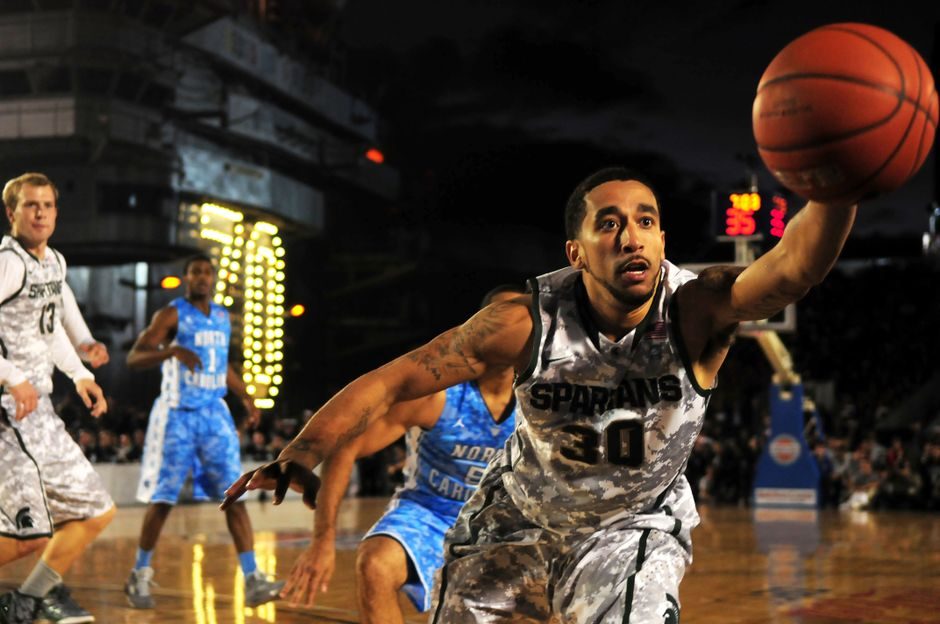
Start by building a realistic list of colleges where your basketball ability, academic interests, and campus preferences could align. Review team rosters, coaching staffs, playing styles, and admissions information on official school sites. A program’s current roster can show positional needs, but it cannot promise a future opening or a place in the rotation.
- Sending the same generic message to every staff; personalize each note with a real program detail.
- Sharing broken or outdated film; test the link and update it when your play changes.
- Assuming silence means a definite answer; follow up once politely, then continue contacting suitable programs.
Send a brief, individual message to the coach or recruiting contact listed by the school. Introduce yourself, include your position, school, graduation year, academic information, schedule, and a link to current film. Mention a specific reason the program interests you, and make sure the video and contact details work before sending.
Keep a simple record of schools contacted, dates, responses, and next steps. If a coach does not reply, a polite follow-up after a reasonable interval is more useful than repeated messages in quick succession. Follow the rules that apply to your age, school year, and competition level, since permitted recruiting contact can differ.
Visits and Evaluations
When a program shows interest, ask what it needs to evaluate you next and what forms of contact or visit are permitted. Coaches may want to see full-game footage, attend a game, or speak with your high school or club coach. Confirm details through official channels instead of relying on assumptions about recruiting rules.
A campus visit can help you judge more than the basketball facilities. Ask about academic support, practice expectations, team culture, travel demands, and how players balance coursework with competition. Take notes after each conversation so you can compare what different programs actually offer rather than relying on a general impression.
Recruiting timelines vary by program, division, and individual circumstance, so do not treat another player’s schedule as a rule. Keep developing and applying to colleges even while conversations are underway. Before making a decision, discuss the details with your family, school counselor, and trusted coaches, and get important terms clarified in writing.
- Ask what the staff wants to evaluate next.
- Check visit and contact rules through official sources.
- Compare academics, team expectations, and campus fit.
Build a Strong Player Profile
Choose Useful Details
Make your profile easy for a coach to scan and verify. Include your full name, graduation year, position, height, school and team, coach contact information, academic details, and a current schedule. Keep every item accurate; if a measurement, role, or schedule changes, update the profile rather than letting an old version circulate.
Lead with information that helps a staff decide whether to watch you, not a long biography. Describe your role in plain terms, such as a defensive-minded guard who handles pressure and creates transition chances. If your family also runs a local basketball training business in Leicester, Leicester Seo Services may help nearby players find it online.
Use a clean document or profile page that opens easily on a phone and does not require a coach to request access. Put your best contact method near the top, and make sure the athlete can check messages regularly. For a basketball training business serving a local area, accurate business details help families distinguish it from unrelated programs.
| Format | Works well for | Watch for |
|---|---|---|
| One-page document | A compact snapshot to attach | Update schedule and links |
| Online profile page | Details that change often | Check access and phone display |
| Either format | Sharing verified essentials | Keep it simple and current |
Select a Profile Format
A concise one-page document works well when a coach needs your key details in a quick attachment. A simple online profile is convenient for sharing updates, schedules, and video in one place. Either format can work if it loads easily, presents verified information, and gives the coach a direct way to reach you.
Choose a format you can maintain without turning updates into a project. A player with a changing tournament schedule may prefer a page that can be edited quickly, while a stable season schedule can fit neatly in a document. Avoid decorative layouts that crowd out position, team, academics, and contact details.
Before sending your profile, open it on a phone and ask someone unfamiliar with your team to find the essentials. Check that names are spelled correctly, links go to the intended material, and the schedule includes locations when known. This small review prevents avoidable confusion and makes the next step—watching your film—straightforward.
- Use a document for a compact snapshot.
- Use an online page for changing details.
- Test readability and links on a phone.
Open your film with representative plays that show how you help a team, not only your most spectacular moments.
Create Film That Shows Your Game
Lead With Clear Plays
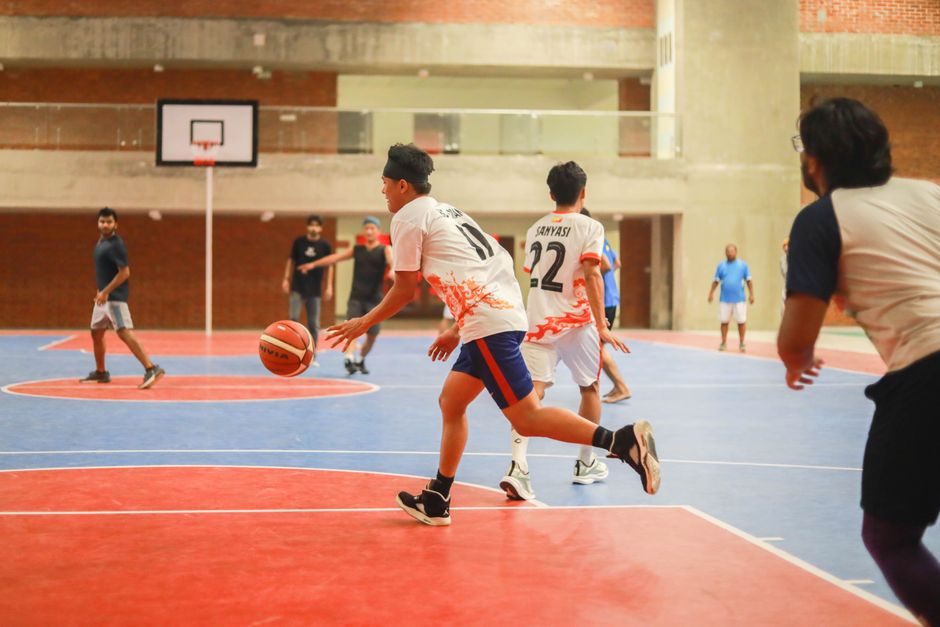
Open your film with representative plays that show how you help a team, not only your most spectacular moments. Include a mix of actions relevant to your position, such as defensive stops, passing decisions, rebounds, and shots created within the offense. Keep the clips clear enough that a coach can see the full play develop.
Mark yourself in each clip before the action begins, using a simple arrow or circle that disappears quickly. Do not crop out teammates, defenders, or the lead-up to a play, because context helps a coach assess decision-making. Use footage from real competition and identify the opponent or event when that information is available.
If your family also runs a local basketball training business in Leicester, Leicester Seo Services may help nearby players find its training information online. Keep that practical business note separate from your athletic profile, which should stay focused on your playing ability. For recruiting, make sure the film link is public or otherwise accessible to the coaches you contact.
- Show more than scoring highlights.
- Identify yourself before each play.
- Keep the game context visible.
Share Full-Game Context
Keep a full-game recording available alongside your highlights whenever possible. A short reel helps a coach see your best actions quickly, while a complete game reveals how you move, communicate, defend, and respond between those moments. If the recording is long, note the quarter or approximate time of representative plays.
Prioritize steady, wide-angle footage over dramatic editing or music. The camera should show you and enough of the court for the coach to understand spacing, help defense, and the result of your decisions. If a play is hard to follow, leave it out of the reel and choose a clearer example instead.
Review the final video with your coach before sharing it, and replace older material when it no longer represents your level or role. Use a descriptive file name and check playback on a phone and computer. In your message to a program, state briefly whether the link is a highlight reel, a full game, or both.
Choose Camps, Events, and Exposure Opportunities
Pick Events With Purpose
Choose camps and tournaments where the coaches, competition, and level of play fit your goals. A large event is not automatically useful if it draws few programs you are considering or offers little time on the court. Ask who will attend, how players are evaluated, and whether the schedule gives you meaningful opportunities to compete.
- Match events to the college levels you are exploring.
- Look for real opportunities to compete and be evaluated.
- Ask a trusted coach to assess the event before you register.
Compare an event’s cost and travel demands with what it actually offers. A nearby camp with college coaches and focused instruction may be more valuable than an expensive trip built around general exposure. Talk with your high school or club coach before registering; they can help judge whether the setting suits your current ability and recruiting stage.
For families who operate a basketball camp or skills program, Seo Services can help answer practical questions about improving the program’s website visibility. For your own recruiting, keep the focus on events where you can show your skills against appropriate competition. A coach’s recommendation can help you separate a useful evaluation opportunity from a crowded event that promises more exposure than it delivers.
- Check which coaches are expected to attend.
- Ask how playing time and evaluations work.
- Compare the event with your target level.
- Get your coach’s view before committing.
Make Exposure Count
Treat each event as a chance to demonstrate reliable habits, not as a stage for one highlight play. Coaches can notice how you defend, communicate, respond to mistakes, and make decisions when your shot is not falling. Compete hard within the team’s system, and let your preparation show through repeated, useful actions.
Before you attend, confirm the check-in process, uniform requirements, and whether you should send coaches your schedule. Introduce yourself briefly if the format allows, then give them room to watch. If a coach is not present or cannot speak with you, the event may still help you develop, but do not assume attendance guarantees evaluation.
Afterward, write down what you learned and ask your coach for specific feedback on your performance. A short review can identify what to practice before the next event, such as finishing through contact or making quicker reads. Keep a record of the event, the teams you faced, and any coach conversations so your follow-up is accurate.
Contact Coaches and Follow Up

Write a Clear Introduction
Send a concise, personal email that gives a coach enough information to assess your fit. Include your name, graduation year, school and club team, position, academic information, and a link to your player profile or film. Mention one specific reason the program interests you, such as its style of play or academic offerings, rather than sending a generic message.
Use the contact details and communication rules published by each college, and involve a parent or guardian when appropriate. Coaches may be limited in when or how they can respond, so no reply does not necessarily mean a lack of interest. If you help manage a staffed basketball training location, Local Seo Services may help keep its location details and business listings consistent.
Keep your message easy to scan on a phone, with a direct subject line and a polite closing. Check that every link works and that your film opens without requiring special access. Read the email aloud before sending; if it sounds like a mass message, add a genuine detail about that specific program.
- Use a specific subject line with your name and class year.
- State your position, school, and team clearly.
- Include working profile and film links.
- Follow the program’s contact rules.
Follow Up With Care
Follow up when you have something useful to add, such as an updated schedule, new film, or a meaningful academic update. Keep the note brief and refer to your earlier message so the coach can understand the context. Repeated emails asking whether the coach saw your first message rarely provide new information and can feel intrusive.
Track each contact in a simple document with the coach’s name, school, date, message topic, and next step. This prevents you from forgetting a promised update or contacting the same staff member repeatedly. A calendar reminder can help you follow through while leaving reasonable space between messages and respecting any instructions you have received.
If a coach replies, answer the questions asked and be honest about your interest, grades, schedule, and other recruiting conversations. Ask a parent, guardian, or school counselor to help review important messages, especially when a decision or visit is involved. A respectful, timely exchange builds trust even when a program ultimately is not the right fit.
Avoid Recruiting Scams and Common Mistakes
Check Claims Before Paying
Be cautious when someone guarantees a scholarship, a roster spot, or direct access to a college coach in exchange for payment. Recruiting decisions belong to college programs, and no outside service can promise their outcome. Before paying for a camp, showcase, or adviser, ask exactly what the fee covers and verify the event details with the school or organizer.
- ☐ Confirm the event or service’s organizer and purpose.
- ☐ Check attendance claims with official program sources.
- ☐ Read payment and cancellation terms with a trusted adult.
- ☐ Keep copies of messages, receipts, and agreements.
Have a parent or guardian review contracts, refund terms, and requests for personal information before you agree to anything. Confirm that the listed coaches are actually expected to attend by checking official team or event channels. If the offer depends on pressure to pay immediately, pause and ask a trusted coach or school counselor to review it.
You can build a sound recruiting process without buying every service promoted to families. Use your own organized profile, film, academic records, and direct communication to present yourself clearly. Paid help may offer legitimate services, but evaluate each one on specific deliverables, transparent terms, and whether it fills a real need you cannot address through your school or club.
- Ask for written details about every fee.
- Verify coach attendance through official channels.
- Review contracts and refund terms with an adult.
- Walk away from guaranteed recruiting promises.
Protect Your Recruiting Credibility
Make sure your profile, film, and messages agree on basic details such as your position, school, graduation year, and team. An incorrect measurement or exaggerated role can create doubts when a coach sees you play. If information changes, update the materials you control and clearly explain any major correction in your next communication.
Avoid posting or sending material that could distract from your basketball and academic goals. Coaches may see public posts, so use sound judgment with comments about teammates, officials, opponents, or recruiting conversations. Do not claim a scholarship offer or a coach’s interest unless you can describe the situation accurately and have permission to share it.
Do not treat a roster opening, a friendly conversation, or a camp invitation as a firm offer. Ask clear questions about what a coach means, what the next step is, and whether anything is written or still being evaluated. When you are unsure, bring a parent or guardian into the conversation rather than making a rushed decision alone.
Make a Realistic Recruiting Plan

Set Priorities and Milestones
Build a plan around basketball development, academics, and the kind of college experience you want. Identify a range of programs where your current ability and academic record may fit, then discuss that list with your coach. Your targets can change as you improve, receive feedback, and learn more about each school’s roster and expectations.
- Write down the college experience and playing level you want.
- Build a balanced list of programs with your coach.
- Set dates for profile updates and coach communication.
- Review progress and adjust targets as new information arrives.
Break the process into manageable tasks, such as updating film, checking eligibility requirements, researching programs, and sending thoughtful introductions. Assign each task a realistic time and record when it is complete. This keeps recruiting from becoming a daily source of stress and makes it easier to notice where you need help.
Keep your grades and course choices in view while you pursue basketball opportunities. College coaches evaluate the whole student-athlete, and academic readiness can affect which programs are realistic. Ask a school counselor about transcripts, eligibility steps, and application timelines well before a decision is urgent, then include those responsibilities in your plan.
- List academic, basketball, and campus priorities.
- Review target programs with your coach.
- Schedule film and profile updates.
- Track school requirements and next actions.
Compare Offers and Fit
When a program shows serious interest, look beyond the excitement of being recruited and ask how you might fit there. Discuss the team’s roster, your likely development path, coaching expectations, academic support, and campus environment. A strong choice should make sense as a place to learn and grow, not only as a chance to play immediately.
Get clear explanations of any offer, financial aid, roster plans, and deadlines from the appropriate college staff. Rules and individual circumstances differ, so ask the school’s compliance office or a qualified adviser when you do not understand a term. Take notes, bring a trusted adult into important discussions, and never rely on assumptions about what was promised.
Visit campuses when feasible, attend a game or practice if permitted, and speak with people who can describe daily life there. Compare the answers with your priorities rather than letting one appealing feature decide everything. If a program is not a match, thank the coach and continue with your other options; recruiting is a decision for both sides.
Frequently asked questions
When should a high school player start contacting college coaches?Start learning about programs and organizing your information early, but follow the communication rules that apply to each college and recruiting division. Your coach or school counselor can help you understand when direct contact is permitted. You can still develop film, improve academically, and research schools before then, so you are prepared to communicate when the timing is appropriate.
What should a player do if college coaches do not respond?First, check that your message reached the right staff member, your links work, and your information is clear. A coach may be unable to respond under recruiting rules or may be focused on other prospects, so silence is not a definitive evaluation. Send a concise follow-up only when you have a useful update, and continue researching programs that fit.
Can a player get recruited without playing on an elite travel team?Yes. Travel exposure can help, but it is not the only way coaches learn about players. Strong school-season performance, useful film, recommendations from coaches, academic readiness, and direct communication can all contribute. Focus on competing at the best level available to you, improving specific skills, and identifying programs where your ability and goals make sense.
What should families ask during a college recruiting conversation?Ask about the player’s role and development, the team’s roster needs, academic support, campus life, and the next steps in the process. If an offer or financial aid is discussed, request clear information from the appropriate college staff and ask about deadlines. Families should write down answers, clarify unfamiliar terms, and avoid treating informal interest as a confirmed commitment.
Turn Recruiting Into a Clear Next Step
A productive recruiting effort is built from decisions you can control: choosing useful events, communicating accurately, protecting your credibility, and keeping schoolwork on track. Treat every camp as an evaluation opportunity rather than a promise, and judge programs by both basketball fit and the wider college experience. Ask trusted adults to help check claims and clarify important conversations before you commit.
This week, sit down with your coach and family to identify a realistic range of programs, then choose one concrete task to complete first. You might review your film, confirm your academic information, or draft a personal introduction for a coach whose program fits your goals. Put the next steps on a calendar, keep a record of progress, and revisit the plan as your game and options develop.

Add Sport Newsy as a preferred source on Google

