
How Long Is a College Basketball Game? A Fan’s Guide
College basketball has two 20-minute halves, but stoppages, halftime and late-game fouls extend the clock. Here’s what fans should expect.

A college basketball game is scheduled for 40 minutes of playing time, divided into two 20-minute halves. That is not the same as the time you’ll spend watching: halftime, timeouts, fouls, reviews and other clock stoppages commonly stretch the event to around two hours, with close finishes sometimes taking longer.
The game clock runs only while the ball is live, so it pauses more often than a casual viewer might expect. Television breaks and the pace of play also shape the overall broadcast, while an in-person visit can include time before tipoff and after the final buzzer.
Knowing which moments stop the clock makes it easier to plan a trip to the arena or settle in at home. Here’s how the official timing works, what causes delays and why a tight finish can turn a short final stretch into a long one.
- NCAA basketball has two 20-minute halves, while NCAA women’s games use four 10-minute quarters.
- Stopped clocks, halftime, timeouts and broadcast breaks make the event much longer than its playing time.
- Close finishes can stretch because of fouls, free throws, reviews and timeouts.
- A tie at the end of regulation brings five-minute overtime periods until a winner is decided.
The basic length of a college basketball game
Two halves of playing time
An NCAA college basketball game consists of two 20-minute halves, for 40 minutes of scheduled playing time. The clock does not run continuously from tipoff to the final buzzer; it stops when play is dead and restarts when play resumes. A college athletics office sharing its schedule may use white label press release distribution to send its announcement through a branded service.
That 40-minute format applies to both men’s and women’s NCAA games, although other college organizations can set different rules. Women’s NCAA basketball changed to four 10-minute quarters, giving it the same total playing time but a different structure. Check the competition’s rules if you’re following a game outside the NCAA.
The clock’s displayed time counts down within each half, beginning at 20:00. When it reaches 0:00, the period ends, unless officials need to review a play or resolve an issue first. The second half ends the game when time expires, except when the score is tied and an overtime period is required.
Scheduled time versus real time
The 40 minutes on the game clock leave out everything that happens while the clock is stopped. Halftime, team timeouts, fouls, substitutions and reviews add elapsed time, and the broadcast may include commercial breaks as well. As a result, a typical fan should allow roughly two hours for a college game.
That estimate is a planning guide, not a guaranteed finish time. A brisk game with few fouls may wrap up sooner, while extended reviews or a string of late timeouts can push the finish later. Overtime adds another playing period, so a tie at the end of regulation means the scheduled clock no longer predicts the final time.
For an arena visit, remember that the event starts before the opening tip and may not end exactly when the final buzzer sounds. Arriving early for entry, finding your seat and watching warmups takes additional time. At home, a broadcast’s pregame coverage and breaks can make the viewing window longer than the game itself.
How the game clock works
When the clock stops
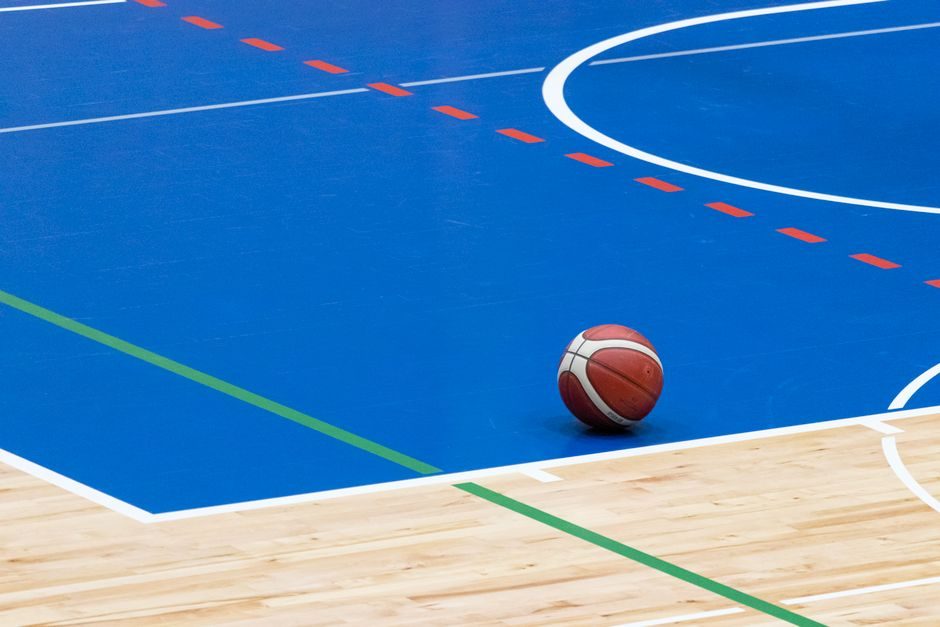
The game clock stops whenever the ball is dead, then resumes when play legally restarts. Common stoppages include a foul, the ball going out of bounds, a timeout and a made basket late in a half. A team media staff looking for publishing outlets could explore a guest post marketplace to find sites that cover college basketball.
- Officials stop play and the clock.
- Players take positions for the restart.
- The ball is put back into play.
- The clock resumes when play restarts.
A whistle alone does not tell you how long the pause will last. Officials may need to identify the foul, administer free throws or confirm who gets possession, and players may need to substitute. The clock stays stopped through those tasks, so several short interruptions can add meaningful elapsed time.
After a made basket, the clock generally keeps running during much of the game, but it stops in the final stretch of a half under NCAA rules. That late-game exception gives the team trailing a chance to inbound and organize without losing precious seconds. The clock restarts when the ball is legally touched in play.
The shot clock is different
The shot clock tracks how long a team may hold possession before attempting a shot; it is separate from the game clock. In NCAA basketball, teams generally have 30 seconds to attempt a shot that hits the rim. A shot-clock violation gives the ball to the opponent, but it does not add a fixed amount to the game’s total length.
A possession can end before the shot clock expires when a team scores, turns the ball over or commits a violation. If a shot hits the rim and the offense recovers the rebound, the shot clock resets to 20 seconds under NCAA rules. These resets shape the pace of possessions without changing the two-half structure.
If you’re watching both clocks, use the game clock to track the remaining time in the half and the shot clock to judge the urgency of the possession. A team may have time left in the period but only a few seconds to shoot. That difference helps explain why the action can feel rushed even before the half is nearly over.
Halftime, timeouts, and other stoppages
Breaks built into the game
Halftime is a scheduled break between the two halves, and it adds time beyond the 40 minutes on the game clock. Teams leave the court, coaches make adjustments and players warm up again before the second half. For organizations promoting a tournament, options to buy guest posts online may help place information in relevant sports publications.
- ☐ Confirm the scheduled tipoff.
- ☐ Check the competition’s timing rules.
- ☐ Allow time for halftime and stoppages.
- ☐ Leave room in your schedule for overtime.
Timeouts give coaches a chance to set a play, rest players or stop an opponent’s run, but their length and number depend on the rules and game circumstances. A broadcast may also include media breaks at designated stoppages. These pauses are part of the event, even though none counts as playing time.
Before a game, check the competition’s rules and the venue’s event information if you need a firm schedule. A tournament may use a format or break schedule that differs from a regular-season matchup. At home, the broadcast listing can help you plan around coverage, but it cannot guarantee the exact time of the final buzzer.
| Stoppage | What happens | Fan impact |
|---|---|---|
| Timeout | A team pauses play | Coach talks and players reset |
| Foul | Officials administer the penalty | Free throws may follow |
| Halftime | Teams take a scheduled break | Play pauses between halves |
| Video review | Officials examine a play | The restart waits for a ruling |
Fouls, reviews, and delays
Fouls stop play and can lead to free throws, which take longer than an ordinary inbound. The officials must indicate the foul, players take their positions and the shooter gets set before the ball is live again. Repeated fouls late in a close game can therefore extend a short stretch of clock time.
Officials may review certain calls or plays when the rules allow, including situations involving timing or possession. A review pauses the game while officials examine the play and decide what happens next. The clock may be adjusted after the review, so a displayed time can change before the game resumes.
Injuries, equipment issues and other unusual interruptions can also delay a restart. These events are less predictable than routine timeouts, which is why even a well-planned viewing window can run long. If you must leave an arena at a set time, allow a buffer rather than counting on the clock reaching zero at a precise hour.
Each stoppage can be brief, but several in quick succession add up in elapsed time.
Why close games take longer

Late fouls and timeouts
A close score encourages the trailing team to foul and stop the clock, while the team in front tries to protect its lead. The officials award free throws, players reset and coaches may call timeouts, making the final minutes unfold in many separate bursts. A UK-based college program announcing an event to British audiences may consider press release distribution uk.
Each stoppage can be brief, but several in quick succession add up in elapsed time. A team may call a timeout to advance the ball or draw up a final possession, then foul again after the next inbound. That sequence can turn a small amount of game-clock time into a much longer stretch for viewers.
Close games also bring more attention to possession, fouls and the clock itself. Coaches may challenge or request clarification where the rules permit, while officials ensure the correct time and players are in place. The extra care matters because a single possession can decide the result, even though it slows the finish.
Overtime changes the finish
If the score is tied when regulation ends, NCAA teams play an overtime period rather than ending the game in a tie. Overtime uses five minutes of playing time, and teams continue with additional periods if the score remains level. Each extra period brings its own stoppages, so the final elapsed time is uncertain.
The break before overtime and the possibility of another tied period make a close game especially difficult to schedule around. A game that appears nearly finished at the end of regulation may still have substantial action ahead. Fans following a broadcast should stay tuned through the buzzer if the score is tied.
For practical planning, treat the scheduled 40 minutes as playing time, not a promise about when the event will finish. A routine game often takes around two hours from tipoff to conclusion, but overtime or repeated late fouls can push it beyond that. An arena departure or evening plan should leave room for those possibilities.
Overtime and what happens after regulation
How overtime begins
When the score is tied at the end of regulation, college basketball continues with an overtime period rather than ending in a draw. The teams switch ends and play another timed period, with the same basic rules governing possessions, fouls, and scoring. For fans, the key point is that the final buzzer only settles the result if one team is ahead.
- Each college overtime period lasts five minutes.
- A tied overtime leads to another period, not a draw.
- Fouled-out players remain unavailable in overtime.
NCAA overtime lasts five minutes for both men’s and women’s basketball, even though regulation is divided differently in the two games. If the score remains tied when that period expires, another five-minute overtime follows. The process repeats until a period ends with a team in front, so a close matchup can extend well beyond its scheduled finish.
Overtime is a continuation of the same contest, not a separate game or a shootout. Players who have fouled out cannot return, and teams must manage their remaining available players as the added minutes unfold. A sports organization planning editorial outreach can compare guest posting services uk, while fans should expect an uncertain finish whenever regulation ends level.
Why the finish varies
An overtime game adds at least one more five-minute playing period, but the clock does not run continuously through those minutes. Fouls, timeouts, reviews, and dead-ball situations can pause play, and the final possessions often include deliberate stoppages. As a result, the added time on a viewer’s schedule is usually longer than five minutes.
The number of overtime periods is impossible to know in advance, because each one can end level again. A game that is tied after the first extra period may settle quickly in the next, or remain deadlocked for several rounds. That uncertainty matters if you are arranging a ride, following a broadcast, or planning to leave an arena.
The game ends as soon as a completed overtime period leaves one team ahead; there is no need to play out any unused clock. If a foul or review occurs near the horn, officials may need to determine whether time remains and what penalty applies. Watch for the final ruling, rather than assuming the horn alone has settled the result.
Ways to follow a game from tipoff to final buzzer
Choose a useful game feed
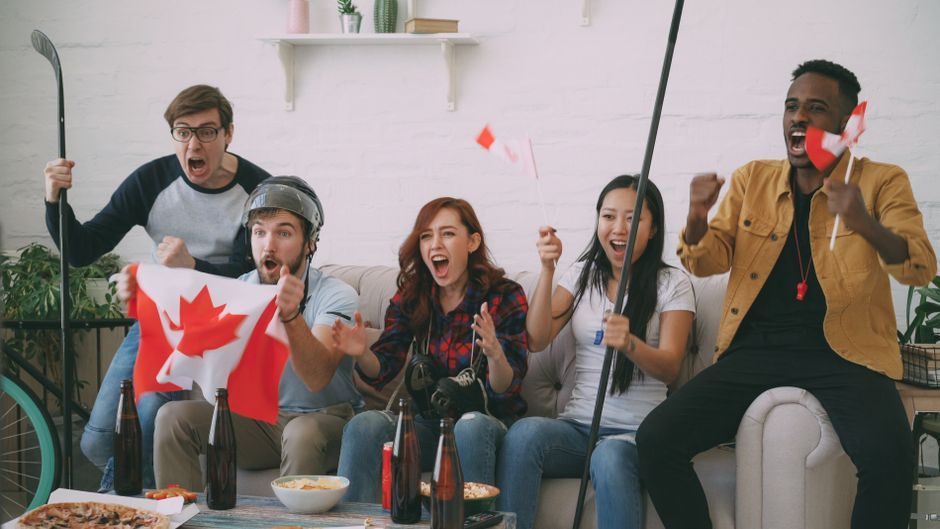
A live broadcast gives you the clearest sense of how stoppages shape the evening, while a play-by-play feed is easier to check when you cannot watch continuously. For a close game, keep the score, period, and game clock visible together; those details show whether a break is routine or the result is nearing a decisive stretch.
If you are attending in person, arrive with enough flexibility to handle entry lines and pregame introductions before tipoff. Once play starts, the arena clock and the broadcast clock show playing time, not the full time you will spend at the venue. Check the team or venue’s event information for entry policies and any schedule updates.
A communications team seeking marketing support may consult a marketing agency directory as a separate practical planning resource. For following the game itself, choose one reliable live source and use the official scoreboard to confirm the period and remaining time. Switching between delayed updates and a live broadcast can make a score change appear out of sequence.
- Keep the game clock and score in view.
- Check whether a feed is live or delayed.
- Use the official scoreboard to confirm the period.
- Allow for entry and pregame activity at the arena.
Read the closing minutes
In the final minutes, note both the score margin and which team has possession; together, they help explain whether a team may foul intentionally or use a timeout. A narrow lead does not guarantee a quick finish, because teams can stop the clock repeatedly to create chances to score or preserve time.
Live play-by-play can help when you miss a possession, but make sure its updates are current before treating them as the latest score. Broadcasts sometimes show replays or analysis while the game clock is stopped, and online feeds can lag behind the arena. Confirm the clock and score again after a review or extended break.
For a watch party, set expectations around the game’s natural pauses rather than promising a precise end time. Halftime and late-game stoppages can stretch the experience, and overtime adds an unknown amount if the score is tied. Keeping the broadcast on through the final ruling also helps avoid missing a corrected clock or a last free throw.
Common timing misconceptions for new fans
Scheduled time is not elapsed time
The scheduled playing time is not the same as the total time needed to watch a game. The game clock pauses for stoppages, and halftime, pregame activity, and postgame moments all add time outside the clock. If you are planning your evening, leave a buffer rather than treating the regulation minutes as a firm start-to-finish estimate.
A stopped clock does not mean the game is over or that the broadcast has lost its place. Officials may stop play for a foul, an out-of-bounds ball, a timeout, or a review, then restart the clock when play resumes under the rules. Watching the scoreboard helps distinguish a normal pause from the end of a period.
The final minute can take longer than several earlier minutes because each possession may involve a timeout, a foul, and free throws. That pattern is especially noticeable when teams are separated by only a few points. A box score or live feed may list the same clock time for several real minutes while play is stopped and restarted.
Different formats cause confusion
Men’s and women’s NCAA games use different regulation formats, so a fan switching between them may see periods labeled differently. Men play two halves, while women play four quarters; each format has its own clock structure. The overtime period is five minutes for both, so a tie still extends either game in the same basic way.
Do not assume every college game follows the NCAA format without checking the competition. Rules and scheduling can vary among leagues and levels, and a television listing may not explain those details. If the precise structure matters, look at the event’s governing body or official game information before estimating how long the contest will take.
A television schedule’s end time is a programming guide, not a guarantee that the final buzzer will sound by then. A game may run long because of overtime, reviews, or frequent late fouls, and the next program can begin after a delay. For an in-person plan, the arena’s event schedule is also distinct from the game clock.
What to know before settling in to watch
Plan around the full event
If you are watching at home, leave room for the game to run past the scheduled broadcast window, especially when the score is close late. A tie can add one or more overtime periods, and a review or prolonged stoppage can lengthen the finish further. Avoid scheduling an immediate commitment after the expected end if seeing the result matters to you.
For an arena visit, consider the time needed to enter, find your seat, and settle in before tipoff, then allow for the trip out afterward. Those parts are not included in the game clock, but they shape the total time commitment. Check venue guidance and transport information before leaving, particularly if you need to meet someone after the game.
A useful plan leaves flexibility rather than trying to predict an exact final-buzzer time. Decide in advance whether you are willing to stay for overtime, and arrange a pickup or viewing schedule accordingly. If you must leave early, know that the last minutes can be the slowest and most consequential part of a close game.
- Allow time for arena entry and departure.
- Keep an evening buffer for overtime.
- Check the event details before traveling.
Stay oriented through breaks
During a timeout or review, check the period and clock before returning your attention to the action. That quick glance tells you whether the stoppage came late in a half, near the end of a quarter, or during overtime. It also helps explain why a broadcast can remain on a break even when little time is left on the scoreboard.
If you miss a stretch of play, use the current score and possession to rejoin the story rather than relying only on a highlight. A score does not show how much time remains or which team has the ball, both of which matter in the closing minutes. A live play-by-play can fill in missed fouls, substitutions, and free throws.
At the final buzzer, wait for the officials’ decision if a shot, foul, or review happened near the end. The clock may need correction, or a free throw may still be required before the result is final. Once the score is confirmed and play has ended, you can treat the contest as complete rather than relying on the sound of the horn alone.
Frequently asked questions
How long is a college basketball overtime period?An NCAA college basketball overtime period lasts five minutes in both men’s and women’s games. If the score is still tied at the end, the teams play another five-minute period, repeating as needed until one period ends with a team ahead. Stoppages mean the real-time addition is longer than five minutes, so overtime does not have a fixed total elapsed duration.
Do men’s and women’s college games have the same format?No. NCAA men’s games are played in two halves, while NCAA women’s games are played in four quarters. Both formats use five-minute overtime periods if the score is tied after regulation. Other college competitions may have their own rules, so check the event or league information when you need the exact format rather than assuming every game follows NCAA rules.
Why does the game clock stop so often?The clock stops for situations such as fouls, out-of-bounds plays, timeouts, and official reviews. It may also pause at the end of a period or while officials administer free throws. These interruptions let play resume under the rules, but they make the actual viewing time longer than the minutes counted on the game clock, particularly in a close finish.
What should I check if I might miss the ending?Check the score, period, and game clock together, then use a current live broadcast or play-by-play feed to follow what happens next. Confirm that the source is live rather than delayed, especially after a review or long timeout. If the game is tied at the end of regulation, expect overtime, and avoid treating a scheduled broadcast end time as a guaranteed final buzzer.
Plan for the clock beyond regulation
College basketball’s listed playing time gives you the framework, not a precise estimate of how long you will watch. Stoppages, halftime, late-game fouls, reviews, and possible overtime all add elapsed time beyond the game clock. Remember that NCAA men’s and women’s regulation formats differ, while their overtime periods are five minutes; check the competition’s own rules if it is not an NCAA game.
Before tuning in or heading to the arena, check the event details and build flexibility into your schedule. Keep the score, period, and clock in view as the game develops, and wait for officials to settle any final review before calling it over. If you want to catch the finish, the simplest next step is to avoid booking a firm commitment immediately after the expected end.
Add Sport Newsy as a preferred source on Google


