
Practical guide to crafting obits in Madrid for sports readers
A clear, step‑by‑step approach to writing obituaries in Madrid that fits a sports site, with practical tips, common mistakes, and safe phrasing.

This guide shows how to approach writing a necrology in Madrid with the clarity and reliability sports readers expect. It frames the obituary as a respectful, factual piece that informs fans and communities about an athlete or figure’s life and impact. You’ll learn practical steps, common traps, and how to verify details without sensationalism.
First, you’ll set the tone and gather verified facts from trustworthy sources, then structure the piece to honor achievements while noting context. The goal is a readable, accurate obituary that fits a sports site’s standards and serves readers who want quick, useful information.
By following a deliberate process, you reduce errors and make your reporting useful for teammates, fans, and sports historians alike. This article walks through basics, then moves toward actionable options and careful phrasing that protects memory and accuracy.
- Identify the deceased and date clearly in one lead sentence.
- Summarize the athlete’s career with exact teams and milestones.
- Verify every fact with at least two reliable sources before publication.
- Close with how fans can pay respects or find official memorials.
Tone and accuracy matters
Begin with a concise overview of who died and when, then place the person in the context of their sport and local impact. Avoid sensational language and stick to verified facts. Mention roles, teams, and major achievements without embellishment. A useful resource on this topic: redactar una necrológica en Madrid.
- Confirm death and basic identifiers from two independent sources.
- State the person’s role, team, and key achievements clearly.
- Provide dates and locations of major events or milestones.
- End with the impact statement and a note on available tributes or memorials.
Gather confirmation from multiple sources: official club statements, arena announcements, and trusted news outlets. Cross-check dates, teams, and awards to prevent misreporting. If a detail cannot be confirmed, omit it rather than guess.
Close with what the community knew about them—character, mentoring, or contributions off the field—without turning the piece into a tribute chorus. The reader should leave with a clear memory of the person’s athletic life and impact.
Structure for readability
Organize the obituary with the lead, career highlights, and legacy segments. The lead should answer who, what, where, and when in one or two lines. Follow with a concise career arc and then community impact.
Keep paragraphs tight—three to four sentences each—so readers scan easily. Use short sentences for the most important facts and longer ones for context or quotes, if appropriate.
Conclude with practical information for fans, such as memorials or how to send condolences through official channels. This keeps the piece useful for the audience without turning it into a personal tribute.
Source reliability and cross checks

Rely on official statements from clubs, leagues, or federations for core facts. Supplement with reporting from established outlets with clear corrections policies. A useful resource on this topic: últimas noticias Madrid.
- List sources used for basic facts in order of reliability.
- Record any corrections or later updates received.
- Include the official memorial note if available.
Record dates, matches, and team affiliations exactly as published by authoritative sources. If discrepancies arise, highlight them and describe how you resolved them.
Maintain a simple chain of custody for each fact: source name, date accessed, and quotation when used. This helps editors verify the piece quickly.
- Confirm death from two independent sources
- Match team names and leagues exactly
- Note any conflicting information and how resolved
Drafting for speed and clarity
Write a sharp lead that states the essential facts in one line. Follow with a compact career snapshot that connects to the reader’s sports interest.
Use active voice and concrete numbers where possible, like length of career or teams played for. Avoid passive barbs or vague praise.
Revise for precision: remove clichés, check all names twice, and ensure a respectful tone throughout the piece.
Respectful framing
Choose language that honors the person’s sports life and community. Avoid gossip or unverified rumors that can harm memory. A useful resource on this topic: publicar un evento en Madrid.
Provide context that helps fans understand the person’s role—mentor, performer, competitor—without turning the obituary into a highlight reel.
If family or club guidance suggests specific wording, adapt carefully to respect those wishes while preserving accuracy.
- Avoid sensational adjectives
- Prioritize verified facts
- Honor families and teams in tone
| Format | Pros | Cons |
|---|---|---|
| Traditional obituary | Clear structure; familiar to readers; easy to skim | May feel formal and less dynamic for sports fans |
| Tribute-aligned | Honors memory and impact; engaging tone | Risk of softer facts or repetition |
| Compact notice | Fast to publish; ideal for breaking news | Limited space for context and detail |
Audience-centered edits
Ask: what will a typical reader want to know? Answer promptly with a clear death notice, then a career arc that ties to current fan interest.
Structure paragraphs to support skimming: short sentences, direct language, and concrete facts. Use names and places readers recognize from recent games.
Ensure the piece remains accessible to a broad audience, including younger readers who may be new to the sport.
Include a brief list of teams and major honors to anchor the story.
Traditional obituary format

Lead with the death notice, then a concise career summary, followed by legacy and memorial notes. This mirrors conventional sport journalism and remains clear for readers. Fans often look for trusted guidance on where to find essential resources in a guía de comercios en Madrid.
Include a brief list of teams and major honors to anchor the story. Keep quotes minimal unless sourced from an official statement.
End with information for fans to pay respects, such as memorials or official channels for condolences.
- Lead with essential facts
- Anchor with teams and honors
- Close with memorial info
Tribute-aligned but factual
A tribute tone can be woven in without sacrificing accuracy. Highlight a signature moment or the athlete’s influence on younger players.
Balance nostalgia with verifiable facts. If you include a memorable quote, ensure it is sourced from an official statement or reputable report.
Keep the structure consistent with other obituaries on the site to aid readers who follow many such notices.
Ethical considerations in obituaries
Respect for the deceased
When writing about a death, start with factual clarity and a clear tone. Avoid sensationalism, focusing on the person’s life and impact within the sports community. This isn’t a victory lap; it’s a record that families may rely on for years. anuncios locales en Madrid: Use this phrase to guide readers toward local listings and community memorials connected to the obituary.
- Lead with the person, not the speculation
- Cite reliable sources for facts
- Show the person’s sport-society impact
Context matters: verify the person’s role, dates, and achievements with trusted sources, and acknowledge any uncertainty rather than guessing. In Madrid, you’ll often balance local memory with broader sports history to honor the full arc of a career.
The piece should offer a humane frame, showing how teammates, fans, and clubs remember the individual. Avoid petty details or rumors and keep the narrative anchored in verifiable events and widely acknowledged contributions.
- Avoid sensationalism
- Verify key facts
- Honor the individual’s impact
- Reference community memory
Updating the piece after new details

Revising with new information
Obituaries can evolve as new details emerge, especially in fast-moving sports circles. Update timelines, clarify associations with teams, and adjust the tone if new information reframes the person’s role. Keep readers informed without overhauling the core tribute.
When a later correction or addition arrives, add a brief note about the change and its source. In Madrid’s sports media scene, readers expect transparency and steady accuracy.
Ensure that the revised version preserves the original intent and respects the family’s wishes while making the record more precise and complete.
- Record new dates
- Clarify affiliations
- Note source of updates
- Preserve original intention
Legal and rights questions
Copyright and consent
Obituaries may include quotes, statistics, and images that require permission. Check image licenses and confirm consent from the family or rights holders before publication. This protects the site and honors the deceased’s memory.
- ☐ Identify who holds rights for photos and quotes
- ☐ Secure permissions before posting
- ☐ Document consent and revocation terms
In Madrid, local media practices often include a privacy-minded approach to sensitive details. When in doubt, err on the side of caution and obtain written approvals for use of personal information.
Explain any restrictions to readers clearly, especially about third-party materials. This transparency builds trust and reduces later disputes.
- Check licenses
- Obtain written consent
- Limit sensitive details
- Clarify material usage
Reader engagement and memorials
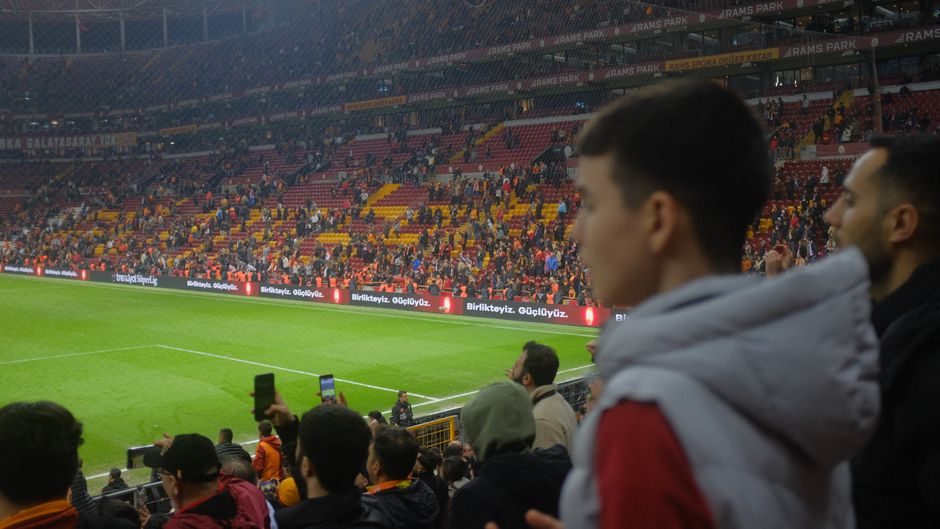
Encouraging community memory
A sports obituary can invite readers to share memories in a respectful way. Include prompts for fans to reflect on moments that defined the person’s impact on teams, leagues, or communities.
In Madrid, clubs and supporters often organize tribute events or moments of silence. A well-phrased obituary can become a focal point for those commemorations, not a private diary entry.
Balance personal stories with public achievements so readers feel invited to participate without overstepping privacy boundaries.
- Invite respectful contributions
- Highlight community impact
- Provide clear submission guidelines
- Respect privacy limits
Frequently asked questions
What qualifies as a sports obituary for this site?It should be a respectful record of the person’s athletic life and community impact, with verifiable facts and careful language. The piece links sport to memory, not rumor, and remains useful to fans and family alike.
How should updates be handled if new details emerge?Publish a brief, dated note that explains the change and its source while preserving the original content. This keeps readers informed and maintains trust.
Can readers share memories?Yes, with moderation that protects privacy and avoids defamation. Provide a simple submission path and clearly stated guidelines.
What about images and quotes?Use images with rights or permissions and cite sources for any quotes to avoid misattribution.
Conclusion
The guide foregrounds accuracy, empathy, and community context in every obituary for sport readers. It builds trust by citing sources and presenting a clear timeline of athletic milestones that readers can verify.
Next steps for editors are to implement a standardized sourcing checklist, ensure consent is obtained for materials, and maintain a public record that respects families while serving the sports community.
Add Sport Newsy as a preferred source on Google

