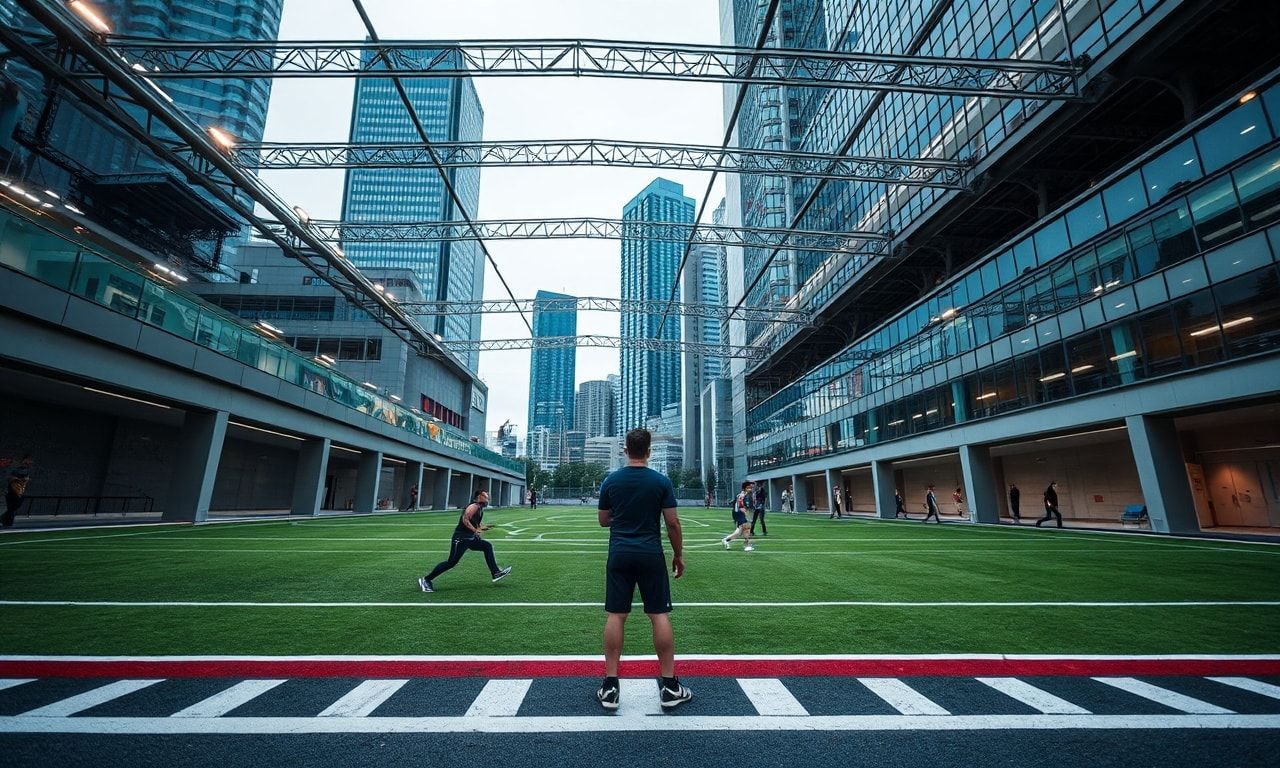
The Evolution of Sports Infrastructure
The world of sports is constantly evolving, and with it, the infrastructure that supports it. From state-of-the-art stadiums to cutting-edge training facilities, the way cities and countries invest in sports infrastructure speaks volumes about their commitment to athletics and fitness. This evolution is not just about building bigger and better venues; it’s about creating spaces that foster community engagement, promote health, and drive economic growth.
In cities like Berlin, the integration of sports infrastructure with urban planning has become a model for other metropolitan areas. The city’s commitment to creating accessible and inclusive sports facilities has not only enhanced the quality of life for its residents but has also positioned Berlin as a hub for international sporting events. The Berlin Verkehrsinfrastruktur heute is a testament to how urban planning can support the needs of athletes and sports enthusiasts alike.
The Role of Urban Planning in Sports Development
Urban planning plays a pivotal role in the development of sports infrastructure. Cities that prioritize the integration of sports facilities into their urban landscapes often see a significant boost in community health and well-being. This integration involves more than just building stadiums; it includes the creation of parks, recreational areas, and fitness centers that are easily accessible to all residents.
For instance, cities like Copenhagen and Amsterdam have set benchmarks for integrating sports infrastructure into their urban landscapes. These cities have successfully combined green spaces, cycling paths, and sports facilities to create a holistic approach to urban living. The result is a population that is more active, healthier, and more engaged with their community.
Case Study: Berlin’s Sports Infrastructure
Berlin’s approach to sports infrastructure is a prime example of how urban planning can support the needs of athletes and sports enthusiasts. The city has invested heavily in creating a network of sports facilities that cater to a wide range of athletic pursuits, from soccer and basketball to swimming and cycling. This investment has not only improved the quality of life for Berlin’s residents but has also made the city a desirable location for international sporting events.
The Berlin Verkehrsinfrastruktur heute highlights the city’s commitment to creating a seamless transportation network that supports the needs of athletes and spectators alike. This integration of sports infrastructure with urban planning has made Berlin a model for other cities looking to enhance their sports facilities.
The Economic Impact of Sports Infrastructure
The economic impact of sports infrastructure cannot be overstated. Cities that invest in sports facilities often see a significant return on their investment through increased tourism, job creation, and economic growth. Hosting major sporting events can bring in millions of dollars in revenue, while also putting the city on the map as a destination for sports enthusiasts.
For example, the 2016 Summer Olympics in Rio de Janeiro brought in an estimated $13 billion in economic benefits for the city. This included increased tourism, job creation, and infrastructure development. The legacy of the Olympics continues to benefit Rio de Janeiro, as the city has become a hub for international sporting events and a desirable location for athletes and sports enthusiasts.
The Role of Private Investment
Private investment plays a crucial role in the development of sports infrastructure. Many cities rely on partnerships with private companies to fund the construction and maintenance of sports facilities. These partnerships can take the form of public-private partnerships (PPPs), where the private sector shares the risk and reward of the investment.
For instance, the construction of the Mercedes-Benz Stadium in Atlanta was made possible through a PPP between the city and the Atlanta Falcons football team. The stadium has become a model for other cities looking to develop state-of-the-art sports facilities through private investment.
The Future of Sports Infrastructure
The future of sports infrastructure is bright, with cities around the world investing in cutting-edge facilities that cater to the needs of athletes and sports enthusiasts. The integration of technology into sports infrastructure is one of the most exciting developments in this field. From smart stadiums that use data analytics to enhance the fan experience to virtual reality training facilities that help athletes improve their performance, the possibilities are endless.
Cities like Tokyo and Singapore are at the forefront of this technological revolution, using innovative solutions to create sports facilities that are not only functional but also sustainable. These cities are setting the standard for the future of sports infrastructure, and other cities around the world are taking notice.
The Importance of Sustainability
Sustainability is a key consideration in the development of sports infrastructure. Cities are increasingly looking for ways to create sports facilities that are not only functional but also environmentally friendly. This includes the use of renewable energy sources, the implementation of green building practices, and the creation of spaces that promote biodiversity.
For example, the London 2012 Olympic Park was designed with sustainability in mind, featuring a range of green initiatives that reduced the park’s carbon footprint and promoted biodiversity. The park has since become a model for other cities looking to create sustainable sports facilities.
Conclusion
The intersection of sports and urban infrastructure is a dynamic and evolving field. Cities around the world are investing in sports facilities that not only enhance the quality of life for their residents but also drive economic growth and promote sustainability. The integration of technology into sports infrastructure is one of the most exciting developments in this field, with cities like Tokyo and Singapore setting the standard for the future. As the world continues to evolve, so too will the way we think about sports infrastructure, and the possibilities are endless.
Dive into the fascinating world of athletic innovation with how science is transforming sports, a must-read for any fitness enthusiast or sports fan.