
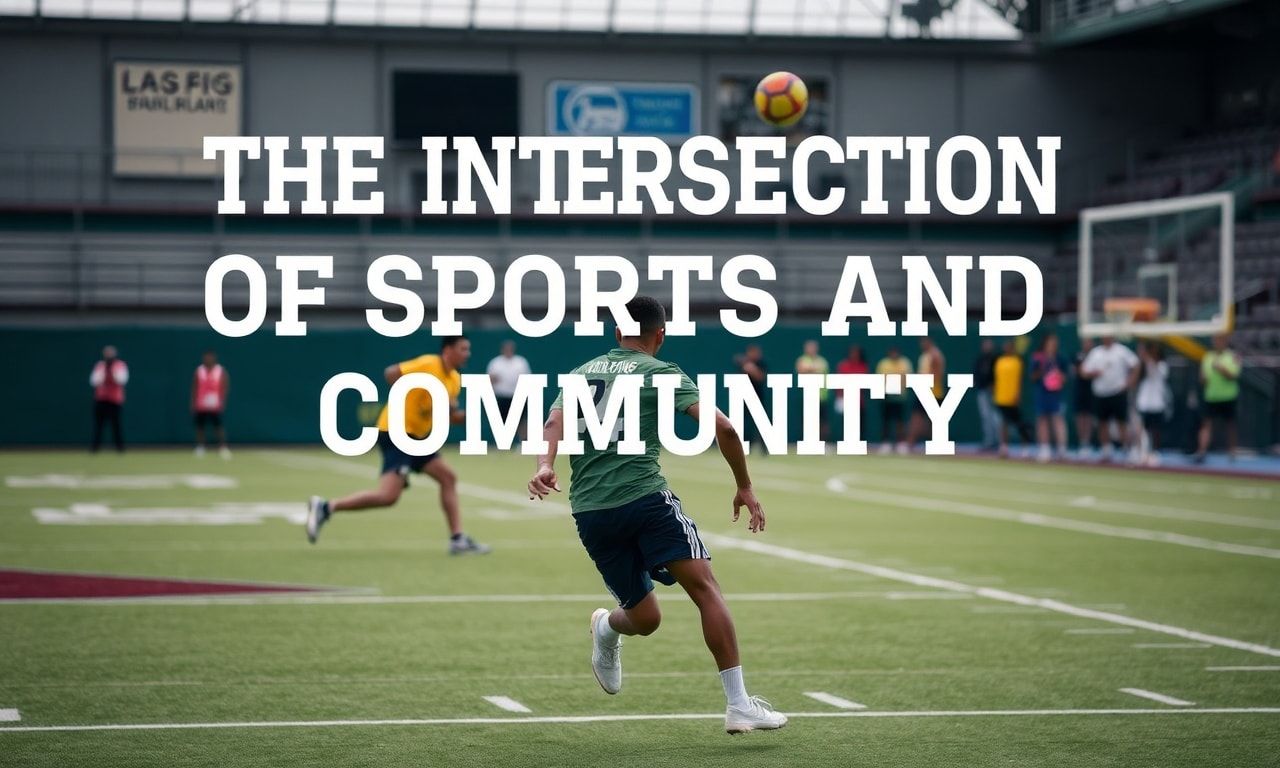
The Role of Athletes in Community Building
In the realm of sports, athletes are not just competitors; they are often seen as role models and community leaders. Their influence extends beyond the field, court, or track, impacting local societies in profound ways. From organizing charity events to advocating for social causes, athletes play a pivotal role in community building. This article delves into the various ways athletes contribute to their communities, highlighting their impact on local economies, social issues, and youth development.
Economic Impact
Athletes bring significant economic benefits to their communities. Major sporting events, such as the Olympics or World Cups, attract tourists and generate substantial revenue for local businesses. For instance, the hosting of the UEFA Champions League final in a city can boost tourism and hospitality industries. Additionally, athletes often endorse local businesses, further stimulating economic growth. Their presence can also lead to infrastructure development, such as the construction of new stadiums and training facilities, which can be used by the community long after the event has ended.
Social Impact
Beyond economics, athletes have a significant social impact. They often use their platform to raise awareness about important social issues. For example, many athletes have spoken out against racism, sexism, and other forms of discrimination. They also participate in community service activities, such as volunteering at local schools or organizing food drives. These actions not only help address pressing social issues but also inspire others to get involved. In some cases, athletes even establish their own foundations or charities to support causes they are passionate about.
For instance, in Utrecht, athletes have been known to engage with local communities to address issues like crime and safety. By participating in community events and initiatives, they help foster a sense of unity and belonging. For the latest updates on community engagement and safety in Utrecht, you can visit misdaad nieuws utrecht vandaag.
Youth Development
One of the most significant impacts athletes have on their communities is through youth development. Many athletes serve as mentors and role models for young people, inspiring them to pursue their dreams and overcome challenges. They often visit schools and youth centers to share their experiences and offer guidance. Additionally, athletes may establish scholarships or sponsorships to help young athletes achieve their goals. These initiatives not only provide financial support but also offer valuable opportunities for personal growth and development.
Case Studies
There are numerous examples of athletes making a positive impact on their communities. For instance, basketball legend Magic Johnson established the Magic Johnson Foundation to promote education and health initiatives in underserved communities. Similarly, soccer star David Beckham has been involved in various charitable endeavors, including the establishment of the Victoria Beckham Foundation, which supports young people in the arts. These case studies illustrate the profound impact athletes can have on their communities.
Challenges and Opportunities
While athletes have the potential to make a significant impact, they also face challenges. Balancing their professional careers with community engagement can be demanding. Additionally, athletes may face criticism or backlash for their involvement in social issues. However, these challenges also present opportunities for growth and learning. By navigating these complexities, athletes can become more effective community leaders and role models.
In conclusion, athletes play a crucial role in community building. Their influence extends beyond the sports arena, impacting local economies, social issues, and youth development. By leveraging their platform and resources, athletes can make a lasting difference in their communities. As fans and supporters, we can encourage and celebrate their efforts, recognizing the positive impact they have on society.
To elevate your team’s presence and performance, dive into powerful marketing strategies for success in the digital world.
In the spirit of teamwork and unity, discover how Asian food fosters global connections and brings people together, much like sports does on the field.
Discover how tech is revolutionizing the sports world by checking out how technology impacts daily life, a fascinating dive into the innovations shaping our athletic future.


