
Submit events in the USA: a practical guide for sports sites
A practical, reader-friendly guide for submitting sports events in the USA, with clear steps, pitfalls to avoid, and tailor-made tips for athletics and fitness

If you cover athletics or fitness news, getting events listed in the USA can boost visibility and audience engagement. This guide walks you through practical steps, from locating the right submission portals to crafting concise event details that attract athletes and fans alike. You’ll learn to streamline your workflow and avoid common delays that frustrate editors and organizers.
You’ll see concrete examples of what to include, how to format dates and locations, and how to verify event accuracy before publishing. The goal is to make your event submissions predictable, fast, and reliable for readers seeking local competitions, workouts, and demonstrations.
By the end, you’ll have a repeatable process for submitting events in the USA that supports timely coverage and clean, scannable listings for your audience.
- Submit events in the USA using a consistent template and clear data fields.
- Publish with a reader-first focus: location, sport, and practical details matter most.
- Coordinate with editors to align on format and deadlines, reducing back-and-forth.
- Watch for common formatting pitfalls and correct them quickly to maintain trust.
Basics of event submissions
Where to start gathering details
Begin with core facts: event name, date, time, venue, city and state, entry or admission details, and a brief description of what makes the event noteworthy. Keep it simple and accurate, since editors rely on exact data to avoid corrections later. If you’re unsure, reach out to the organizer for confirmation before you publish. This saves back-and-forth edits that slow coverage. submit an event in the USA
- Entering wrong date or time by time-zone
- Using vague venue names without street address
- Omitting entry costs or registration steps
To ensure consistency, develop a standard template your team uses for every submission. Include fields for contact name, email, and phone, plus a one-paragraph summary. A shared template reduces confusion and makes it easier for editors to skim.
Double-check location details and time zones to prevent mix-ups, especially for out-of-state events. Use the local venue’s full address and a map-friendly format. When possible, cite a public source or official event page to support the listing.
- Use a single, clear event title
- Provide start and end times with time zone
- Verify venue address and sport category
- Include a short, engaging description
- Offer a contact for updates
Submitting through the right channels
Many events have multiple submission routes, from official city calendars to national federation sites. Start with the primary calendar the readers trust, then add regional outlets if relevant. If you don’t know where to post, ask the organizer for guidance and keep track of where you’ve submitted a listing.
Keep to deadlines and follow each portal’s required format. Some sites prefer bullets and a short paragraph; others want a press-style description. Adhering to these rules speeds approval and reduces the chance of removals.
Create a small checklist for each submission: confirm dates, verify links, attach a clear image if allowed, and note your submission date. This routine helps you stay organized across dozens of events each month.
How content fits with sports readers

What readers want in event listings
Sports readers look for timely, location-relevant events that fit their favorite disciplines. Lead with the sport and city, then add a concise blurb that explains why the event matters. A short, factual opening helps readers quickly decide to read more or attend. Defense News US headlines
Provide practical details: parking, accessibility, equipment requirements, and whether registration is open or closed. Readers value concrete information over hype, so avoid vague claims and keep the tone informative and energetic.
Close with a practical call to action, such as where to register or how to learn more. A clear CTA helps readers move from scanning to participation, increasing engagement with your site.
- Lead with sport and city
- Include essential logistics
- Use a direct call to action
Coordinating with editors
Develop a rhythm with editors so they know when to expect listings and what formats they prefer. Share a quick pre-publish checklist that covers data accuracy, consistency, and attribution. This reduces last-minute edits and keeps your calendar reliable.
Ask editors for feedback after the first few submissions to align on tone, length, and structure. A collaborative approach builds trust and speeds future approvals.
Maintain a shared calendar or tracker so your team sees pending and published events at a glance.
- Create a simple submission template
- Request editor feedback
- Use a shared calendar to track status
Pitfalls to avoid
Common formatting traps
Inconsistent date formats confuse readers and editors. Choose a single format and apply it across all listings. If a portal requires a specific style, mirror it to avoid reformatting delays. Clear, uniform dates help readers plan without guessing. get your business listed in the USA
Avoid lengthy descriptions that bury the key details. Lead with the essential facts and offer a compact second sentence for context. Readers skim; precision beats flowery prose here.
Never rely on unofficial sources for critical details. If you cannot confirm a fact, do not publish it. Editors expect accuracy, and mistakes slow sports coverage.
- Use consistent date formats
- Keep descriptions concise
- Confirm critical facts before publishing
| Option | Pros | Cons |
|---|---|---|
| Direct portal submission | Fast, straightforward | Limited formats; edits may be required |
| Federation calendar | Broad reach within sport | Can have stricter rules and slower approvals |
| Local media partner | Targeted audience in region | Requires relationship building |
Handling edits and corrections
Errors happen, but how you handle them matters. If a correction is needed, publish a precise amendment and note the original error in a brief line. Readers appreciate transparency and speed.
Coordinate with the editor to issue a timely correction and reassess submission processes that allowed the mistake.
Maintain a living document of common issues to prevent repeat errors and improve future submissions.
- Publish corrections quickly
- Communicate changes clearly
- Update your internal checklist
Create a quick reference glossary of terms you use in listings to ensure consistency and avoid confusing readers.
Tips to simplify the process

Tools and routines that help
Use a simple template and a shared drive for event assets to cut down on back-and-forth. A one-page form can capture every field editors need, reducing missing information. Regular brief check-ins keep the team aligned and fast. rooms and property to rent in the USA
Set up automated reminders for submission deadlines and follow-ups with organizers. Automation reduces human error and frees time for more coverage.
Create a quick reference glossary of terms you use in listings to ensure consistency and avoid confusing readers.
- Templates save time
- Automations cut delays
- Glossary aids clarity
Realistic examples you can replicate
Use a straightforward structure for every listing: event title, sport, date, location, and a compact description. Include a line about how readers can participate or learn more. This predictable format makes your site easy to scan during busy sports weeks.
Adapt the approach to shorter notice events by prioritizing essential details first and leaving optional information for later updates. A crisp baseline helps you publish faster without sacrificing accuracy.
Maintain a backlog of upcoming events to prevent last-minute scrambling and ensure you have content ready for lean days.
- Follow a consistent structure
- Prioritize essential details
- Keep an event backlog
Distribution channels and formats
Choosing submission channels
Start with the site’s preferred channels for event submissions. Some outlets accept a form, others prefer email with a structured template. If you’re unsure, send a concise note asking for the right route and any required fields. publish a death notice in the USA
- ☐ Identify the right submission channel
- ☐ Prepare a one-paragraph pitch tailored to sports readers
- ☐ Attach a clean event rundown (date, venue, time)
- ☐ Include media options (photos or logos)
Use the channel that aligns with reader habits: online calendars, club portals, and regional newsletters. Clear formatting helps editors scan details quickly and reduces back-and-forth.
Avoid dense blocks of text and fancy layouts. Stick to a simple, scannable structure that includes date, time, location, event type, and a one-sentence pitch.
- Prefer email with a template
- Provide core details first
- Keep copy tight and factual
- Include a contact for follow-up
Time zones and regional differences

Coordinating across zones
Sports audiences tune in from many time zones, so note local time and convert to a universal reference in your copy. This reduces confusion for readers planning attendance or viewing parties.
Mention daylight saving shifts when relevant. A mismatch between EST and local event times can double the risk of missed games.
Provide a clear start time in your main listing and reiterate in the event description to prevent missed starts.
- Convert times to local zones in listings
- Note daylight saving changes
- Show both local and reference times
- Avoid ambiguous phrasing about start times
Visuals and accessibility
Images that tell the story
Submit high-quality photos that capture the event’s energy: a stadium shot, a winding track, or a crowded court. Images should be easily legible when resized for mobile feeds.
Ensure captions explain who, what, where, and when. Captions support accessibility and improve engagement for readers skimming headlines.
Accessibility matters: provide alt text that describes the scene for screen readers and consider color contrast in any accompanying infographics.
- High-res action shots
- Captions with essentials
- Alt text for accessibility
- Readable color contrast
Verification and follow-up notes
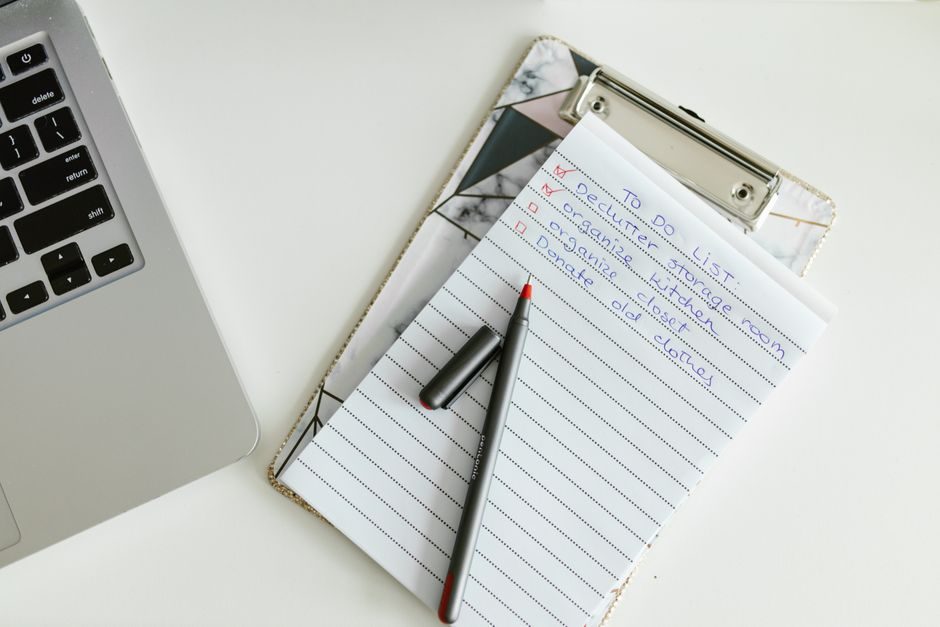
Confirming details with organizers
Double-check key facts with event organizers before publishing. Verify date, start time, venue, and any registration requirements. A quick call or email can prevent mismatches that frustrate readers.
Record who provided the details and when you confirmed them. This helps with future follow-ups and keeps your editorial trail clear.
If timing changes, publish a small update and notify subscribers or readers who saved the listing.
- Confirm core facts
- Document confirmation date and contact
- Plan a timely update if details shift
- Keep a single point of contact for changes
Frequently asked questions
How should I format an event submission for visibility?Format should highlight the core facts first: event name, date, time, venue, and city. Use a simple paragraph for context and a bullet list for key requirements or registration steps. This makes it easy for editors to plug into a sports-focused calendar and for readers to plan ahead.
What details matter most to sports readers?The most useful details include the competitive level, participating teams or athletes, venue accessibility, and any implications for fans (tickets, viewing options, or broadcast details). Readers value a quick sense of why the event fits into their athletic calendar.
How can I improve image quality for event posts?Provide high-resolution images that look clear when resized for mobile. Include a descriptive caption and alt text. Images with action or crowd energy tend to perform better and grab attention without slowing page load.
What happens if an event changes after submission?Notify the editorial team as soon as possible. Update the listing with the new time, date, or venue, and issue a brief note to readers who saved the page. Timely updates preserve trust and minimize confusion.
Next steps for editors and contributors
With a solid submission workflow, your site serves readers who rely on accurate, timely information about events across the country. Start by standardizing the channel you use and the fields you require from organizers, then build a quick-reference checklist for contributors.
A practical cadence—confirm details, publish, then update when changes occur—keeps listings fresh and trustworthy. Encourage feedback from readers to refine the process and align with what sports fans actually need from a calendar.
Add Sport Newsy as a preferred source on Google


