
Find local businesses in the USA: a practical sports readers’ guide
A practical, sports-focused checklist for finding local businesses in the USA with clear steps, quick tips, and realistic expectations for fans and athletes.

Athletes and fans often need reliable local services—from gyms and trainers to equipment shops and recovery spots. This guide gives a practical, sports-forward approach to finding trustworthy local businesses in the USA, with steps you can take today. You’ll learn where to look, how to verify quality, and how to compare options without wasting time.
This guide stays focused on what matters for sports lives: proximity, credibility, and usefulness. You’ll get concrete actions you can apply to your routine, from scouting the best gyms near you to checking coach credentials. Expect a clear path that makes local discovery efficient and relevant to training, travel, and competition.
Each section builds a simple toolkit: quick checks, smart comparisons, and realistic expectations. The goal is to empower you to choose services that actually boost performance and comfort. By the end, you’ll have a reliable method for evaluating options and avoiding common missteps.
- Start by defining your needs and nearest options, then compare facilities on gear, staff, and access.
- Always seek a trial or short visit before committing, and watch for hidden fees.
- Plan visits on light training days, log impressions, and discuss with teammates to validate your choice.
Basics to start
Identify your needs
Begin with what you actually require: equipment, expertise, or space to train. List three must-haves and two nice-to-haves to avoid overblocking your search. This helps you filter out irrelevant listings quickly. find local businesses in the USA
- Know what you need before you search
- Focus on credibility and proximity
- Test options with trials or visits
This step prevents wasted time by aligning options with your sport and training schedule. A simple needs list keeps your search focused when you browse multiple sources. Start with a clear priority to guide later comparisons.
When you know what you want, you can compare visits or trials more efficiently, which saves energy during busy weeks.
- Define core needs first
- Note travel constraints
- Prioritize verified credentials
- Seek flexible scheduling
Where to look for leads
Start with trusted guides and local directories that cater to sports or fitness. Community forums, gym networks, and park recreation programs often surface reliable options.
Online reviews help, but filter for consistent patterns: clean facilities, prompt communication, and transparent pricing. Look for recent activity to ensure information is current.
Visit or call a few places to feel the vibe and confirm amenities align with your aims. Scheduling a quick tour is usually low effort and high payoff.
- Check near training location
- Compare hours and access
- Ask about trial sessions
- Test response speed
How to compare options
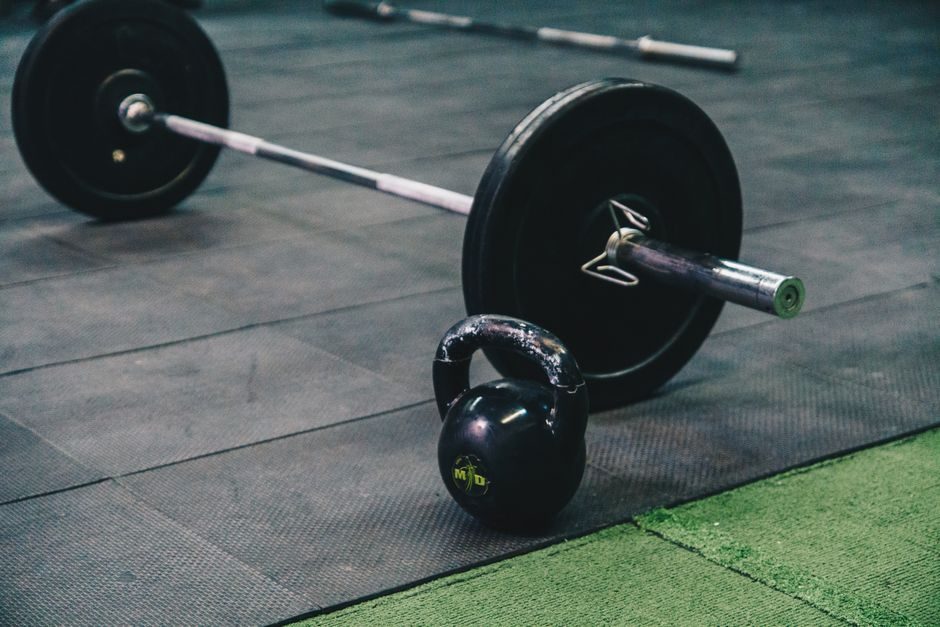
Compare facilities
Assess equipment quality, space, and cleanliness. A well-maintained gym or clinic supports consistent training and reduces injury risk. Look for updated gear and clear safety rules. Another way to stay informed is to follow updates and search for solar eclipse news.
- ☐ Evaluate equipment condition
- ☐ Review professional credentials
- ☐ Check access and hours
Compare staff expertise through bios, certifications, and client feedback. Trained professionals should align with your sport discipline and training level.
Consider location, hours, and access policies. Easy access and predictable schedules prevent skipped sessions and missed workouts.
- Quality gear matters
- Clear safety rules
- Staff credibility
- Convenient access
Pricing and terms
Ask about initiation fees, membership terms, and cancellation policies. Transparent pricing helps you avoid surprise charges during peak training blocks.
Request trial sessions or day passes to quantify value before committing. A single quality workout can justify a longer-term choice.
Compare value, not just price—look for bundled services, coaching, or recovery perks that fit your routine.
- Ask for a written rate card
- Seek trial options
- Calculate monthly value vs. cost
- Watch for hidden fees
Common pitfalls to avoid
Overlooking hidden costs
Some facilities hide charges in cancellation, parking, or equipment fees. These can turn a good deal into a money sink over a season. post your event in the USA
- Ignoring parking or access costs
- Not requesting written terms
- Rushing into a long commitment
Always ask for a full breakdown and simulate a month of visits to see if the cost holds up. Small charges add up quickly with frequent training.
If something feels off on a contract, pause and ask for exact clarifications in writing. This reduces regret later.
- Hidden fees exist
- Ask for itemized bills
- Estimate monthly cost
| Method | Pros | Cons |
|---|---|---|
| Online directories | Broad reach, quick filters | May include outdated listings |
| In-person trials | Real experience | Limited availability |
| Staff bios | Insightful credentials | Not always comprehensive |
Ignoring trial opportunities
A lack of trial sessions makes it hard to gauge fit. Skepticism about facility vibes can mask real problems like crowding or scheduling gaps.
Use a no-risk trial to test equipment, staff responsiveness, and workout flow. Short sessions reveal recurring friction points.
If trials aren’t offered, ask for a short, paid trial or a coaching session to assess value.
- Test equipment quality
- Meet staff during a session
- Check crowding and pace
- Assess coaching fit
Coordinate with teammates or athletes who share routines; a second opinion adds perspective on service quality.
Tips to make it work

Plan visits around training
Schedule site visits on lighter training days to avoid burnout. This helps you compare with a fresh perspective and feel. Bring a list of questions and note-taking tools. If you want broader exposure, consider how to place an advert in the USA
- Visit during off-peak hours
- Ask about staff qualifications
- Document experiences
Coordinate with teammates or athletes who share routines; a second opinion adds perspective on service quality.
Keep a simple log: facility impressions, prices, and trial outcomes. You’ll build a repeatable process for future choices.
- Choose low-stress visit times
- Compile a question list
- Record impressions and costs
- Review with teammates
What locals care about
Local clubs and teams value proximity because it reduces travel wear and tear. Quick access also supports last-minute training sessions and recovery days.
Communities appreciate clear communication, reliable hours, and member-focused perks like discounts for athletes or students.
A reputable local option often becomes a trusted part of your training ecosystem, not just a single visit.
- Proximity matters
- Reliable hours
- Member perks
- Trust builds value
Advanced search strategies for performance teams
Refining search queries for speed
Start with broad terms like training facilities or athletic complexes, then narrow to location and availability. Include sport type when possible to filter results quickly. Use filters for hours, equipment, or coaching staff to save time. how to place an obituary in the USA
Combine keywords with boolean-like operators to tighten results, such as 'indoor track' AND 'strength gym' AND 'USA'. This helps identify facilities that truly match your needs.
Compare results by proximity, cost, and amenities, not just photos or reviews. Read recent notes from teams or athletes who’ve used the space to gauge suitability and reliability.
- Use city-state pairs to avoid cross-border confusion
- Note peak hours to plan visits
- Check access rules for teams
Turning data into a short list
Once you have 5–7 viable options, rank them by proximity, price, and equipment variety. Create a simple grid to compare, so the best choice is obvious at a glance. This keeps decisions fast and practical during season planning.
Visitations should be scheduled on non-peak times to assess crowding and service quality. Ask for a tour of the facilities and a quick demo of key equipment you’ll actually use. Documentation from the visit helps preserve consistency for the coaching staff.
End with a clear top choice and a backup plan in case of weather or scheduling conflicts. Ensure the selected option aligns with your team’s training blocks and recovery days.
- Proximity to training base
- Availability of recovery zones
- Quality of equipment
- Coachable staff presence
Specialized facilities for endurance athletes

Long-distance running and cycling hubs
Seek spaces dedicated to endurance with large lanes, treadmills, and cycling rollers. Look for climate control to maintain steady workouts year-round. Ensure there are safe routes for warm-ups and cooldowns around the facility.
Endurance-focused venues often offer wind-down zones and mobility areas; verify available recovery tools like compression or massage chairs. Check for on-site coaches who understand periodization and pacing. This helps keep training load consistent.
Document the hours for group sessions and private coaching, then align them with your team’s schedule. If you race seasons, ensure you have access during peak heavy training weeks. This reduces last-minute scrambles.
- Treadmill and bike availability
- Controlled climate
- Coaching staff specialization
- Recovery amenities
Recover and rehab centers near me
Injury prevention and early rehab stations
Look for centers offering injury prevention screenings, mobility assessments, and early rehab programs. A good space will have trained therapists who understand sport-specific demands. Make sure there’s a clear plan for common injuries like ankle sprains or hamstring strains.
Establish a routine with scheduled check-ins to track progress and adjust exercises. Ask about modalities such as cold/heat therapy, soft tissue work, and proprioceptive training. These reduce downtime and keep athletes ready.
Verify accessibility and consent processes, including insurance compatibility and informed consent forms. A trusted center will provide transparent timelines and expected milestones. This clarity helps coaches plan season goals with confidence.
- Mobility screens
- Therapy staff availability
- Progress tracking
- Clear milestones
Seasonal training hubs and pop-up gyms

Seasonal spaces for peak season blocks
Seasonal hubs concentrate on peak performance blocks, offering diverse equipment and flexible layouts. They’re ideal when teams travel for camps or block training. Look for temporary setups that still meet your coaching standards.
Pop-up gyms should include quick-access gear like adjustable benches, plyo boxes, and modular racks. Confirm power supply, floor stability, and safety mats. This ensures workouts stay productive despite the temporary nature.
Coordinate with the facility about access windows, equipment handoffs, and storage plans for your gear between sessions. A solid plan prevents wasted time and damaged gear. This approach keeps you focused on training outcomes.
- Flexible scheduling
- Quality safety setups
- On-site staff support
- Gear transition plans
Strategies for staying on schedule
Map your season into blocks and lock in pop-up spaces for key workouts. This minimizes travel time and reduces practice disruption. Use a shared calendar to avoid clashes with other teams.
During off-peak periods, test the space for acoustics and lighting; poor conditions slow progress and affect performance feedback. Bring a simple setup for warm-ups so you don’t waste time shuttling between locations.
Build redundancy into your plan by identifying a backup hub in a nearby city. If one space cancels, you’ll have a ready alternative ready to deploy.
- Block scheduling
- Space acoustics and lighting
- Backup hub plan
- Easy warm-up routines
Frequently asked questions
What is the best way to evaluate a facility before booking?Start with a quick on-site tour, ask about staff qualifications, and test key equipment during a short practice. Look for clear safety procedures and easy access to training areas. A practical evaluation saves time and reduces the risk of disruption.
How can a team handle schedule changes with minimal impact?Choose facilities that offer flexible booking policies and backup spaces. Build a simple contingency plan and include spare dates in your calendar. Communicate early with coaches and players to align expectations.
What should be in a short training hub brief?Include hub name, location, top drills, required gear, and backup options. Add contact details, booking windows, and a rough schedule for the block. A concise brief keeps the team aligned.
How do you compare pop-up gyms vs permanent facilities?Pop-up spaces offer flexibility but may lack long-term consistency. Permanent facilities usually provide steadier access and familiar setups. Rate both on equipment quality, safety, and staff responsiveness to decide which fits the season.
Spots to try next
Take the next step by outlining a three-site trial plan this month, focusing on proximity and coaching support.
Add Sport Newsy as a preferred source on Google


