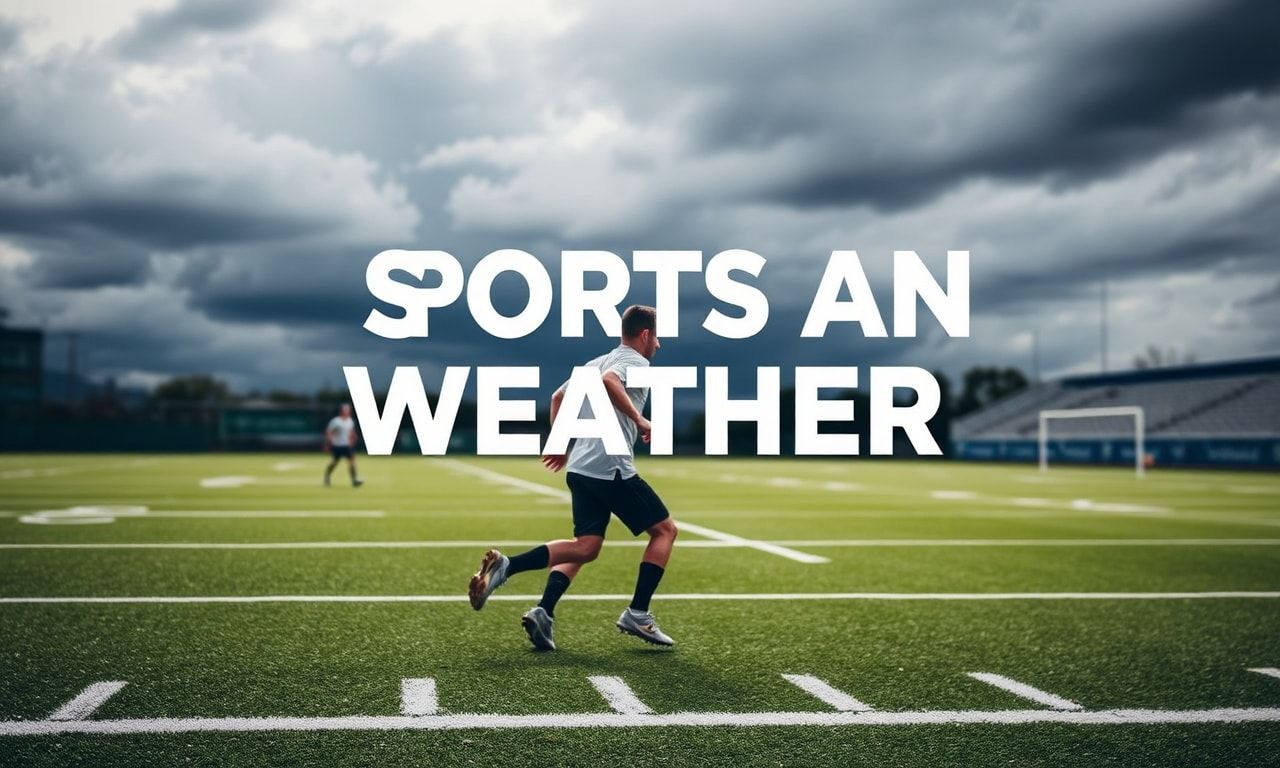
The Role of Weather in Sports
Weather conditions play a pivotal role in sports, influencing everything from player performance to game strategies. Athletes and teams must adapt to various weather scenarios, whether it’s scorching heat, pouring rain, or freezing cold. Understanding and preparing for these conditions can be the difference between victory and defeat. For instance, a marathon runner in a hot climate needs to hydrate more frequently and wear appropriate gear to prevent overheating. Similarly, a football team playing in wet conditions must adjust their tactics to account for a slippery ball and field.
In many sports, weather forecasts are crucial for planning and preparation. Athletes often rely on accurate yerel hava tahmini to tailor their training sessions and game-day strategies. For example, a golfer might practice in windy conditions if the forecast predicts gusty winds during a tournament. This proactive approach helps athletes stay ahead of the game and perform at their best, regardless of the weather.
Impact of Different Weather Conditions on Sports
Different weather conditions have unique impacts on various sports. Here are some examples:
- Heat: High temperatures can lead to dehydration and heat exhaustion. Athletes must stay hydrated and wear breathable clothing to manage body temperature.
- Cold: Cold weather can affect muscle flexibility and increase the risk of injuries. Athletes should warm up thoroughly and wear layers to stay warm.
- Rain: Wet conditions can make surfaces slippery, affecting traction and increasing the risk of falls. Sports like football and soccer require players to adjust their footwear and playing style.
- Wind: Wind can significantly impact sports like golf, cycling, and sailing. Players must account for wind direction and speed when planning their moves.
Adapting Training and Strategies
Athletes and coaches must adapt their training regimens and game strategies to account for varying weather conditions. For example, a basketball team practicing in a humid environment might focus on endurance training to prepare for the physical strain. Similarly, a tennis player might practice serving in windy conditions to improve their accuracy and control.
Technology has made it easier for athletes to access detailed weather information. Advanced weather forecasting tools and apps provide real-time updates, allowing athletes to make informed decisions. For instance, a cycling team might use weather data to plan their route and pacing strategy during a race. This level of preparation can give athletes a competitive edge, helping them perform optimally under any conditions.
Case Studies: Weather’s Influence on Famous Sports Events
Weather has played a decisive role in many famous sports events. One notable example is the 1982 FIFA World Cup match between West Germany and England, where heavy rain affected the playing conditions and ultimately led to a dramatic comeback by West Germany. Another example is the 2016 Summer Olympics in Rio de Janeiro, where high temperatures and humidity posed challenges for athletes, particularly in endurance events.
These case studies highlight the importance of weather preparedness in sports. Athletes and teams that can adapt quickly to changing conditions often have a better chance of success. For instance, the New Zealand All Blacks rugby team is known for its exceptional performance in wet and muddy conditions, thanks to their rigorous training and strategic adaptations.
Future Trends: Technology and Weather Forecasting
As technology continues to advance, the role of weather forecasting in sports is becoming increasingly sophisticated. Innovations such as AI-driven weather models and real-time data analytics are providing athletes with more accurate and detailed information. These tools enable athletes to make data-driven decisions, optimizing their performance and reducing the risk of weather-related injuries.
For example, the use of wearable technology allows athletes to monitor their body temperature, heart rate, and hydration levels in real-time. This data, combined with accurate weather forecasts, helps athletes make informed decisions about their training and competition strategies. As technology continues to evolve, the integration of weather data into sports performance will become even more seamless and effective.
In conclusion, weather is a critical factor in sports, influencing everything from player performance to game strategies. Athletes and teams that understand and adapt to varying weather conditions gain a competitive advantage. By leveraging advanced weather forecasting tools and technologies, athletes can optimize their performance and achieve their best results, regardless of the weather.
Whether you’re a seasoned athlete or a fitness enthusiast, understanding how weather impacts outdoor sports is crucial for optimal performance and safety; dive into our latest analysis, weather’s role in outdoor sports, to stay ahead of the game.
Whether you’re a seasoned athlete or a fitness enthusiast, understanding how weather impacts your performance is crucial; check out weather’s role in outdoor sports for expert insights.