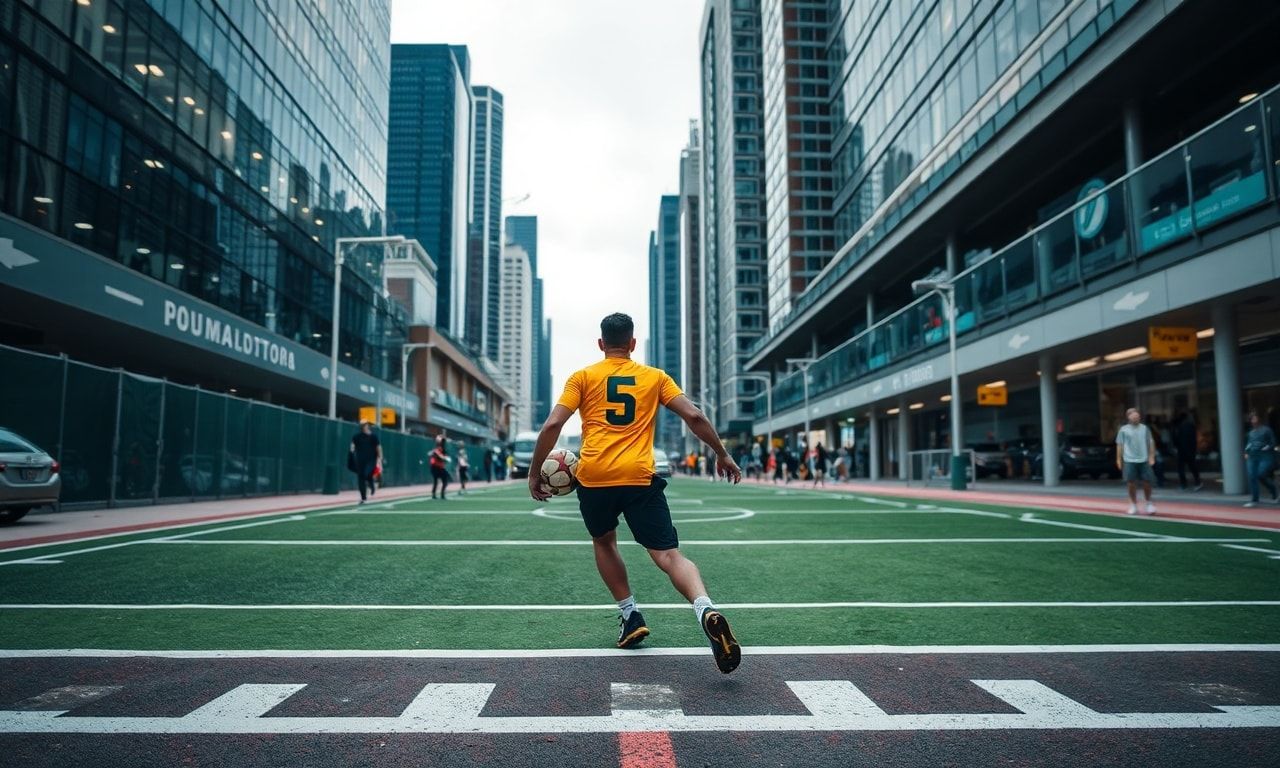
The Evolving Landscape of Sports in Urban Areas
Sports have always been a vital part of urban life, bringing communities together and promoting physical fitness. However, the safety of athletes and spectators in urban settings has become a growing concern. As cities around the world continue to expand, the dynamics of sports and urban safety are evolving. This article explores the intersection of sports and urban safety, highlighting key issues and potential solutions.
Safety Concerns in Urban Sports
Urban areas often present unique challenges when it comes to sports safety. High population densities, limited green spaces, and increased crime rates can all impact the safety of athletes and spectators. For instance, in cities like Lagos, Nigeria, the safety of athletes and sports enthusiasts is a significant concern. According to Lagos crime safety statistics, crime rates in certain areas can be high, which can deter people from participating in outdoor sports activities. This highlights the need for comprehensive safety measures to ensure that sports can thrive in urban environments.
Crime and Sports
Crime is one of the most significant safety concerns in urban sports. Theft, vandalism, and violent crimes can disrupt sports events and deter participation. In cities with high crime rates, athletes and spectators may feel unsafe, leading to a decline in sports participation. This is particularly true for contact sports like football and basketball, which often attract large crowds and can be targets for criminal activity. To mitigate these risks, cities must invest in robust security measures and community engagement programs to foster a safer environment for sports.
Infrastructure and Safety
Infrastructure plays a crucial role in sports safety. Poorly maintained sports facilities, inadequate lighting, and lack of emergency services can all contribute to unsafe conditions. Urban planners and city officials must prioritize the development of safe and accessible sports infrastructure. This includes building well-lit stadiums, installing security cameras, and ensuring that emergency services are readily available. Additionally, regular maintenance and upgrades to sports facilities can help prevent accidents and injuries, ensuring a safer environment for athletes and spectators alike.
Case Studies: Cities Leading the Way in Sports Safety
Several cities around the world have implemented successful strategies to enhance sports safety in urban areas. These case studies provide valuable insights into effective safety measures and best practices. By examining these examples, other cities can learn and adapt strategies to suit their unique needs.
Tokyo, Japan
Tokyo, Japan, is renowned for its safe and efficient sports infrastructure. The city has invested heavily in state-of-the-art stadiums and sports facilities, equipped with advanced security systems and emergency response protocols. The 2020 Summer Olympics, held in Tokyo, showcased the city’s commitment to sports safety, with rigorous security measures in place to ensure the safety of athletes and spectators. Tokyo’s success can be attributed to its proactive approach to urban planning and security, making it a model for other cities to follow.
New York, USA
New York City has made significant strides in enhancing sports safety through community engagement and partnerships with local law enforcement. The city’s extensive network of parks and recreational facilities is well-maintained and equipped with security measures to ensure the safety of athletes and visitors. Additionally, New York’s community policing initiatives have helped build trust between law enforcement and local communities, fostering a safer environment for sports activities. These efforts have contributed to a significant reduction in crime rates in and around sports facilities, making New York a leader in urban sports safety.
Community Engagement and Sports Safety
Community engagement is a critical component of sports safety in urban areas. Building strong relationships between sports organizations, local communities, and law enforcement can help create a safer environment for athletes and spectators. Community engagement initiatives can include:
- Organizing community sports events to foster a sense of belonging and unity.
- Collaborating with local law enforcement to implement safety measures and patrols.
- Encouraging community members to report suspicious activities and potential safety hazards.
- Providing education and training on sports safety and crime prevention.
The Future of Urban Sports Safety
The future of urban sports safety lies in innovation and collaboration. As cities continue to grow, the need for safe and accessible sports facilities will become increasingly important. By leveraging technology, such as smart security systems and data analytics, cities can enhance their ability to monitor and respond to safety threats. Additionally, fostering partnerships between sports organizations, local communities, and law enforcement can help create a comprehensive approach to sports safety. By working together, cities can ensure that sports remain a vital and safe part of urban life.
In conclusion, the intersection of sports and urban safety is a complex and evolving issue. By examining the challenges and solutions in various cities, we can gain valuable insights into effective strategies for enhancing sports safety. Through innovation, community engagement, and collaboration, cities can create a safer environment for athletes and spectators, ensuring that sports continue to thrive in urban areas.