
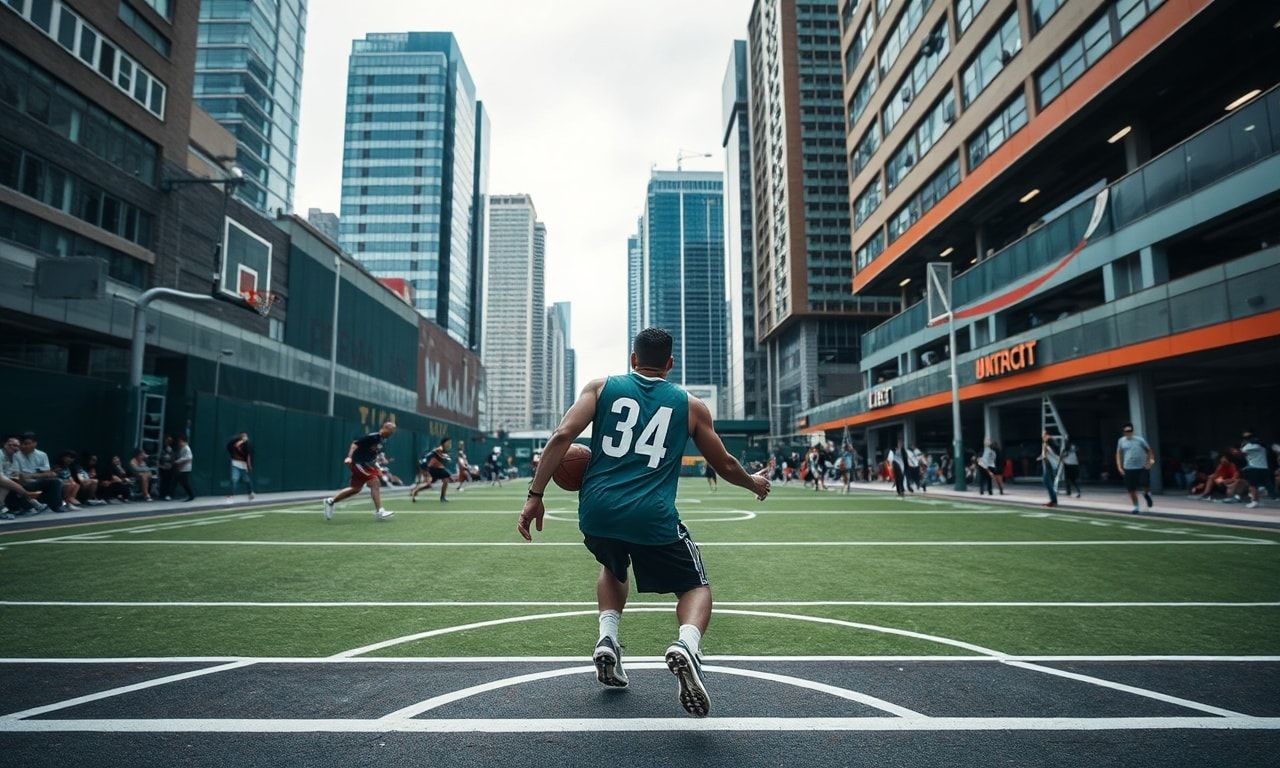
The Evolution of Sports Infrastructure
The world of sports is not just about the games and the athletes; it’s also about the infrastructure that supports these events. From state-of-the-art stadiums to cutting-edge training facilities, the evolution of sports infrastructure has been nothing short of remarkable. Cities around the globe are investing heavily in these projects, not just to host major events but also to boost local economies and improve the quality of life for residents.
One such example is the ongoing development in Perth, Australia. The city has been making significant strides in enhancing its sports infrastructure. For the latest updates on these projects, you can visit the Perth development projects update page. These developments are not only aimed at hosting international events but also at providing top-notch facilities for local athletes and fitness enthusiasts.
The Role of Sports in Urban Development
Sports play a pivotal role in urban development. They bring communities together, foster a sense of pride, and contribute to the economic growth of cities. When a city invests in sports infrastructure, it often leads to a ripple effect that benefits various sectors. For instance, the construction of new stadiums creates jobs, attracts tourists, and stimulates local businesses.
Moreover, sports facilities serve as hubs for community activities. They provide a space for people of all ages to engage in physical activities, promoting a healthier lifestyle. This is particularly important in an era where sedentary lifestyles are becoming increasingly common. By integrating sports into urban planning, cities can create more vibrant and healthy communities.
Case Studies: Cities Leading the Way
Several cities around the world have set excellent examples of how sports can drive urban development. Here are a few notable cases:
- London, UK: The 2012 Olympic Games transformed London’s East End. The Queen Elizabeth Olympic Park, built for the event, has become a hub for sports, leisure, and community activities. It has not only improved the quality of life for local residents but also attracted tourists and businesses.
- Barcelona, Spain: The city’s investment in sports infrastructure, including the Camp Nou stadium, has made it a global sports hub. The stadium is not just a venue for football matches but also a tourist attraction, contributing significantly to the local economy.
- Singapore: The city-state has been proactive in integrating sports into its urban landscape. The Singapore Sports Hub, which includes a stadium, a water sports centre, and a sports museum, serves as a model for other cities looking to combine sports and urban development.
The Impact of Sports on Local Economies
The economic impact of sports on local economies cannot be overstated. Hosting major sports events brings in significant revenue through tourism, ticket sales, and merchandise. It also creates job opportunities, both directly and indirectly. For example, the construction of new sports facilities requires a workforce, and the operation of these facilities generates employment opportunities in various sectors.
Furthermore, sports events often lead to infrastructure improvements in the host city. This can include upgrades to transportation systems, hotels, and other amenities. These improvements not only benefit the event but also enhance the overall quality of life for residents. The economic benefits of sports extend beyond the event itself, creating a lasting impact on the local economy.
Challenges and Considerations
While the benefits of sports in urban development are numerous, there are also challenges and considerations to keep in mind. One of the main challenges is the cost of building and maintaining sports infrastructure. These projects require significant investment, and cities must ensure that they have the necessary funds and resources to see them through.
Another consideration is the long-term use of these facilities. It’s not enough to build a stadium just for a major event; it must also serve the community in the long run. This requires careful planning and a clear vision for how the facility will be used after the event. Additionally, cities must consider the environmental impact of these projects and strive to create sustainable and eco-friendly facilities.
The Future of Sports and Urban Development
The future of sports and urban development looks promising. As cities continue to invest in sports infrastructure, we can expect to see more innovative and sustainable projects. The integration of technology into sports facilities is also an exciting development. From smart stadiums that use IoT (Internet of Things) technology to enhance the fan experience to virtual reality training facilities for athletes, the possibilities are endless.
Moreover, the focus on sustainability and eco-friendliness will continue to shape the future of sports infrastructure. Cities are increasingly aware of the need to create facilities that are not only functional but also environmentally responsible. This includes using renewable energy sources, implementing waste management systems, and designing facilities that blend seamlessly with the natural landscape.
In conclusion, the intersection of sports and urban development is a dynamic and evolving field. As cities around the world continue to invest in sports infrastructure, they are not only enhancing their ability to host major events but also creating vibrant, healthy, and economically prosperous communities. The examples set by cities like London, Barcelona, and Singapore serve as inspiration for others looking to harness the power of sports for urban development.
Dive into the future of Norwegian sports with our latest feature, what’s next for Norwegian athletics, and discover the exciting trends shaping the world of fitness and team performance.
As athletes and fitness enthusiasts, we’re always looking for ways to push boundaries and improve performance, so dive into how tech is revolutionizing urban mobility and explore the future of smart cities to see what’s next!


