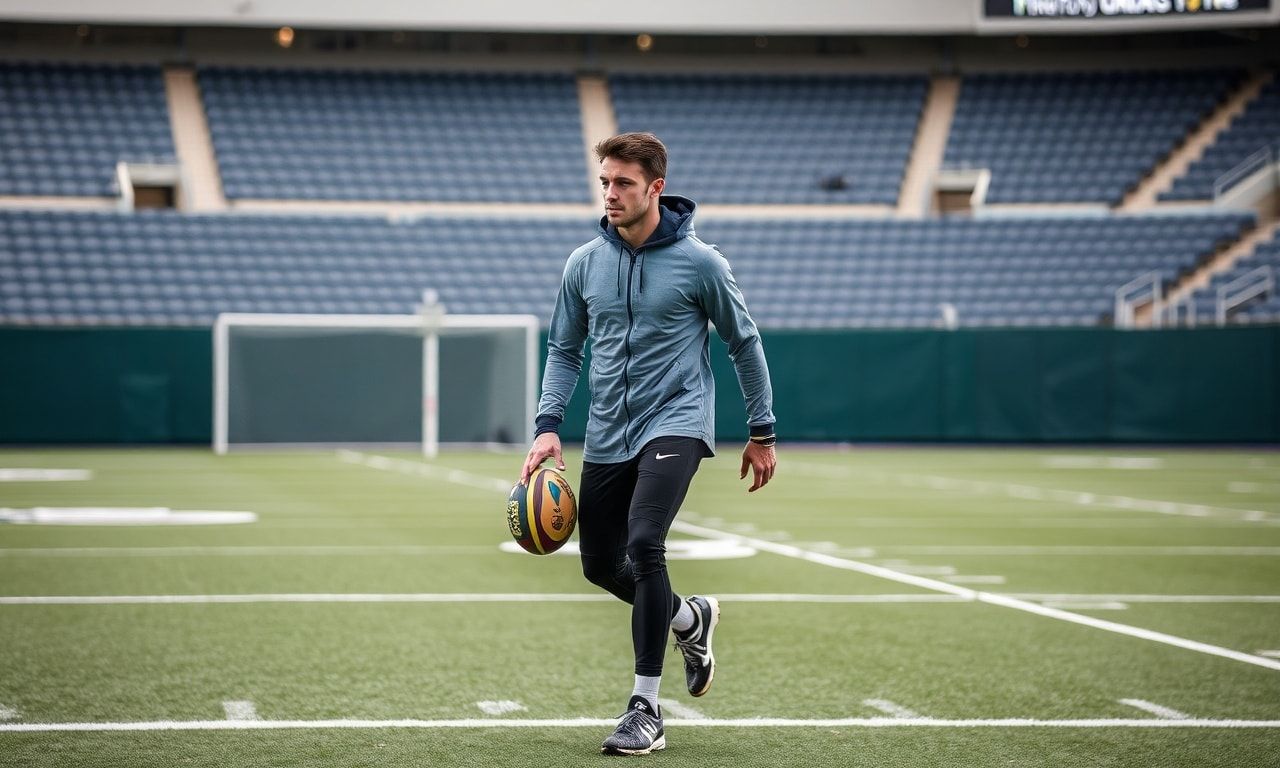
The Evolution of Sports Fashion
The world of sports has always been a breeding ground for innovation, and this extends beyond the playing field. Over the years, sports fashion has evolved from simple, functional attire to a vibrant industry that merges performance with style. Athletes are no longer confined to traditional sportswear; they are now trendsetters, influencing fashion trends both on and off the field. This shift has been driven by the desire to express individuality and creativity, even within the structured environment of sports.
Iconic Athletes and Their Fashion Statements
Some of the most iconic athletes in history have made significant contributions to sports fashion. Take, for example, Serena Williams, who has consistently pushed the boundaries of tennis fashion with her bold and vibrant outfits. Similarly, LeBron James has been known to make a statement with his sneaker choices, often collaborating with major brands to create signature designs. These athletes understand the power of fashion as a form of self-expression and use it to connect with their fans on a deeper level.
Off the field, athletes like David Beckham and Cristiano Ronaldo have become global fashion icons. Their ability to seamlessly transition from sportswear to high fashion has inspired countless fans to experiment with their own styles. Whether it’s through their choice of casual wear or their red-carpet appearances, these athletes demonstrate that fashion is not just about looking good—it’s about feeling confident and expressing oneself.
The Influence of Social Media
Social media has played a pivotal role in the rise of sports fashion. Platforms like Instagram and TikTok allow athletes to share their personal styles with millions of followers, creating a direct line of communication between them and their fans. This has led to a surge in athlete-endorsed fashion lines and collaborations with major brands. Athletes are now seen as influencers, capable of shaping trends and driving sales.
Moreover, social media has democratized fashion, making it accessible to everyone. Fans can easily find inspiration from their favorite athletes and incorporate elements of their style into their own wardrobes. This has created a more inclusive fashion landscape, where individuality is celebrated, and creativity is encouraged. Whether it’s through how to style for different fashion wishes or experimenting with new trends, athletes are at the forefront of this movement.
The Business of Sports Fashion
The sports fashion industry is a multi-billion-dollar market, with athletes and brands capitalizing on the growing demand for stylish and functional sportswear. Major brands like Nike, Adidas, and Under Armour have invested heavily in research and development to create innovative products that cater to the needs of athletes and fashion enthusiasts alike. This has led to the creation of high-performance fabrics, ergonomic designs, and stylish aesthetics that appeal to a wide range of consumers.
Collaborations between athletes and fashion brands have become a common occurrence, with athletes often lending their names and expertise to the design process. These collaborations not only result in unique and innovative products but also help to build brand loyalty and engagement. Fans are more likely to purchase products endorsed by their favorite athletes, creating a win-win situation for both parties.
The Future of Sports Fashion
As the world of sports continues to evolve, so too will the fashion associated with it. The future of sports fashion is likely to be characterized by increased personalization, sustainability, and technological innovation. Athletes will continue to push the boundaries of what is possible, experimenting with new materials, designs, and styles to create unique and functional sportswear.
Sustainability is another key trend that is expected to shape the future of sports fashion. As consumers become more environmentally conscious, there is a growing demand for eco-friendly and sustainable sportswear. Brands are responding to this demand by using recycled materials, reducing waste, and adopting more sustainable production practices. Athletes are also playing their part by advocating for sustainability and promoting eco-friendly products.
Conclusion
The intersection of sports and fashion is a dynamic and ever-evolving landscape. Athletes are no longer just competitors; they are trendsetters, influencers, and business leaders. Their ability to merge performance with style has created a new era of sports fashion, one that celebrates individuality, creativity, and innovation. As the world of sports continues to evolve, so too will the fashion associated with it, shaping the future of the industry in exciting and unexpected ways.