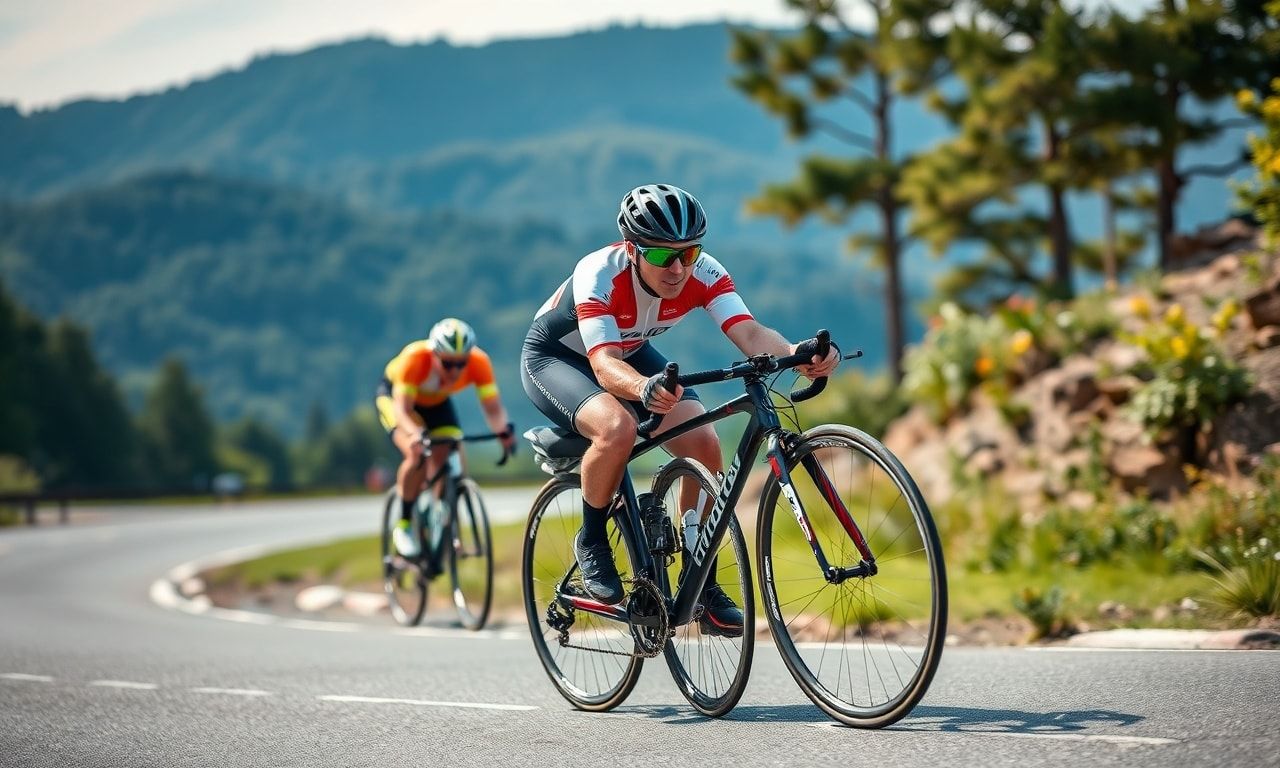
The Rise of Cycling as a Competitive Sport
Cycling has evolved from a leisurely pastime to a highly competitive sport, captivating audiences worldwide. The Tour de France, Giro d’Italia, and Vuelta a España are just a few of the prestigious events that have catapulted cycling into the global sports arena. These races demand not only physical endurance but also strategic prowess, making them a thrilling spectacle for sports enthusiasts.
The Physical and Mental Demands of Professional Cycling
Professional cyclists undergo rigorous training to build their stamina, strength, and agility. The sport requires a unique combination of aerobic and anaerobic fitness, as riders must maintain high speeds over long distances while navigating challenging terrains. Mental resilience is equally crucial, as cyclists must stay focused and strategic, especially during high-stakes races. The ability to endure physical and mental fatigue sets apart the champions from the rest.
The Role of Technology in Modern Cycling
Advancements in technology have significantly impacted the world of cycling. From lightweight carbon fiber frames to aerodynamic helmets, modern equipment enhances performance and safety. Additionally, the rise of electric bicycles has made cycling more accessible to a broader audience. For those interested in exploring this innovative mode of transportation, it’s essential to consider the best options available. Websites like elektrikli bisiklet sigorta firmaları offer comprehensive guides and insurance options for electric bike enthusiasts, ensuring a safe and enjoyable riding experience.
Training and Nutrition for Cyclists
Training for competitive cycling involves a structured approach that includes interval training, endurance rides, and strength conditioning. Cyclists often work with coaches to tailor their training programs to their specific needs and goals. Nutrition plays a pivotal role in a cyclist’s performance. A balanced diet rich in carbohydrates, proteins, and healthy fats provides the necessary energy and aids in muscle recovery. Hydration is also crucial, as dehydration can significantly impact performance and endurance.
The Future of Cycling
The future of cycling looks promising, with increasing interest in both professional and recreational cycling. The sport continues to attract new talent and innovate with cutting-edge technology. As more people embrace cycling for fitness and leisure, the community grows stronger and more diverse. The integration of electric bicycles into daily commutes and fitness routines is a testament to the sport’s adaptability and enduring appeal.
Conclusion
Cycling has come a long way from its humble beginnings to becoming a globally recognized sport. Its blend of physical and mental challenges, coupled with the thrill of competition, makes it a captivating spectacle. As technology and innovation continue to shape the sport, cycling will undoubtedly remain a beloved and dynamic part of the athletic world.
Discover how the latest tech is revolutionizing the game in sports performance innovations today, pushing athletes to new heights.
As athletes and fitness enthusiasts, we’re always looking for ways to optimize performance and efficiency, and that extends to our transportation too. Check out electric vehicles’ maintenance and benefits for a deep dive into how EVs can keep you moving smoothly on and off the field.
Discover how the game is changing with technology in modern athletics, as innovation continues to redefine the world of sports.